Skip to content

Job Quality Matters

For People, Businesses, and the Economy

Most U.S. workers lack a quality job

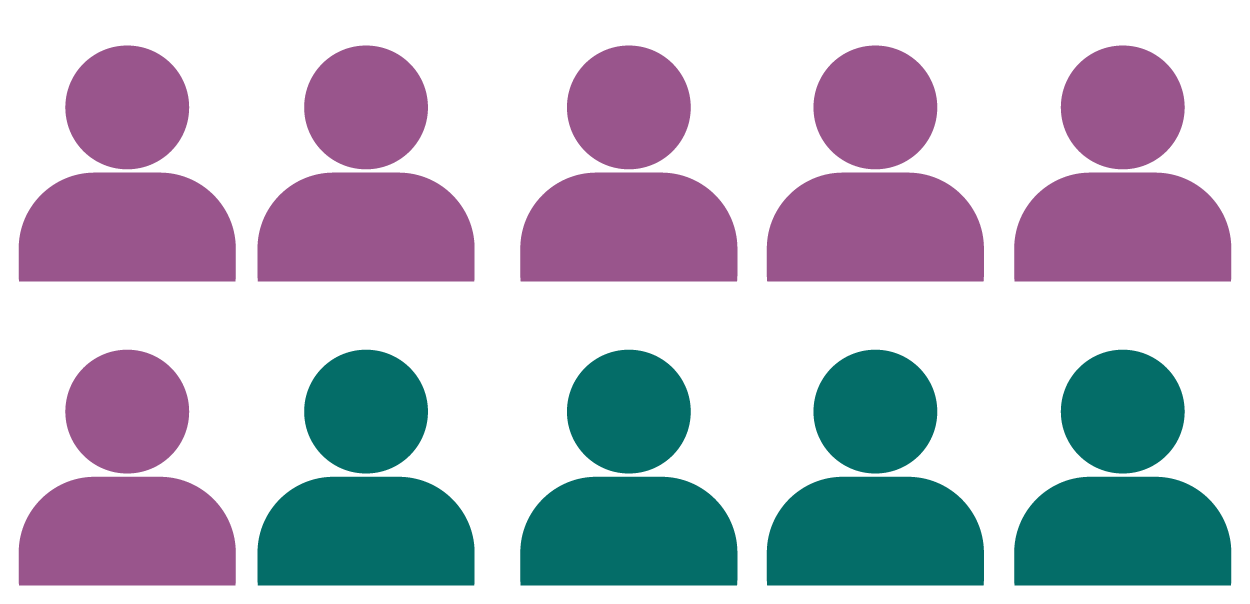
6 in 10 workers don’t meet minimum thresholds for quality.

A quality job allows people to meet their basic financial needs, feel safe and respected, grow their skills, have a voice in decisions that affect them, and exercise some control over their time and work.

The Five Dimensions of Quality Jobs:

Infographic showing five elements of job quality: financial well-being, workplace culture and safety, growth opportunities, agency and voice, and work structure and autonomy.
Financial well-being
Fair pay, stable employment, and benefits that meet basic needs and reduce financial stress.
Workplace culture and safety
A safe, respectful environment free from discrimination or harassment.
Growth and development opportunities
A clear path to build skills, gain experience, and advance in one’s career.
Agency and voice
Influence over decisions that shape one’s job, such as pay, working conditions, and implementation of technology.
Work structure and autonomy
A stable, predictable schedule, a manageable workload, and meaningful control over when and how work gets done.

These dimensions were developed in collaboration with researchers, advocates, employers, and policymakers.

Who has quality jobs?

The American Job Quality Study provides an answer to this question for the first time.

Led by Jobs for the Future, in partnership with Gallup, the Families & Workers Fund, and the W.E. Upjohn Institute, the study is the first nationally representative survey designed to measure job quality across the entire U.S. workforce.

Find out who has quality jobs, who doesn’t, and how you can make a difference.

Download the study

Who is left out?

Most U.S. workers (60%) lack a quality job.

Pie chart over a dotted US map showing 60% in blue and 40% in green, representing two segments of the population.Only 40% of the entire U.S. workforce holds positions that meet minimum thresholds for a quality job. This includes full-time, part-time, and independent or gig workers.

Fewer quality jobs go to:

  • Women
  • Younger employees
  • Workers with a high school education or less

How can you improve job quality?

Two healthcare professionals, one in scrubs and one in a lab coat with a stethoscope, review notes on a clipboard while walking down a hallway.
  • If you’re an employer… you can expand mentorship and training, improve scheduling, provide opportunities for employee input, and foster respectful workplaces.
  • If you’re a policymaker… you can support predictable schedules, paid leave, and workplace protections.
  • If you’re a worker or a worker advocate… you can collaborate with employers to strengthen worker voice, expand access to skills training, and increase advancement opportunities.
  • Subscribe to get more information from JFF about job quality.

Everyone has a path to a quality job.
Join JFF in helping millions of people find that path and thrive.


Meet Will While in high school, Will Johnson gained real-world work experience at the New Energy Lab, powered by Broome-Tioga BOCES and the University at Buffalo, which deepened his learning and prepared him to become an electrician after graduation. The program is supported by Chenango Forks High School, New Energy New York, and JFF’s Quality Green Jobs Regional Challenge.

Meet Epiphany Raised in a small town with limited access to financial guidance, job training, or career planning, Epiphany Munoz began her education at a community college and now works at a university in a quality job that provides financial well-being and growth opportunities.

Meet Lisa Lisa Lipton is a mental health counselor and an advocate for fair chance hiring, emphasizing the loyalty that people with criminal records demonstrate when given the opportunity to work in a quality job.