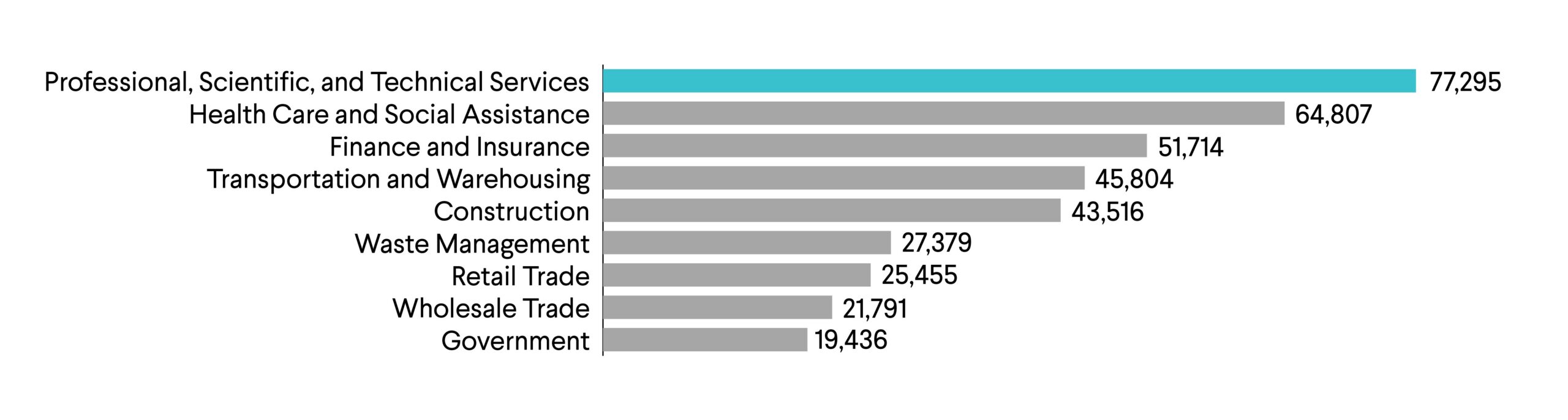
 For many learners, including Black learners and other learners facing barriers to economic advancement, the promise of higher education as a path to economic mobility remains unfulfilled (PDF). Community colleges are in a position to change that and expand economic mobility opportunities for all learners by aligning their program offerings with the real-world needs of their local economies.
To do that, postsecondary institutions, and community colleges in particular, can use real-time labor market information (LMI) to get a dynamic picture of their regional labor markets that will help them build a bridge from education to employment in fields that offer quality jobs and opportunities for economic advancement.
LMI encompasses data from all sources of information related to workforce patterns, including census, employment, and economic statistics. Using LMI, community colleges will know what skills are in demand in the regional economy and which jobs pay the best and offer strong growth trajectories. They’ll also gain an understanding of the demographics of the local workforce so they can identify populations that would benefit most from new training and education opportunities.
To demonstrate how LMI can be used as a tool to develop programs that help learners prepare for and connect to high-wage jobs in growing industries, this case study offers an in-depth look at Disrupt the Divide, an initiative in which Jobs for the Future (JFF) partnered with four community colleges to develop and implement goals and interventions that are designed to increase access to and success in academic programs aligned to high-wage, high-growth employment opportunities.
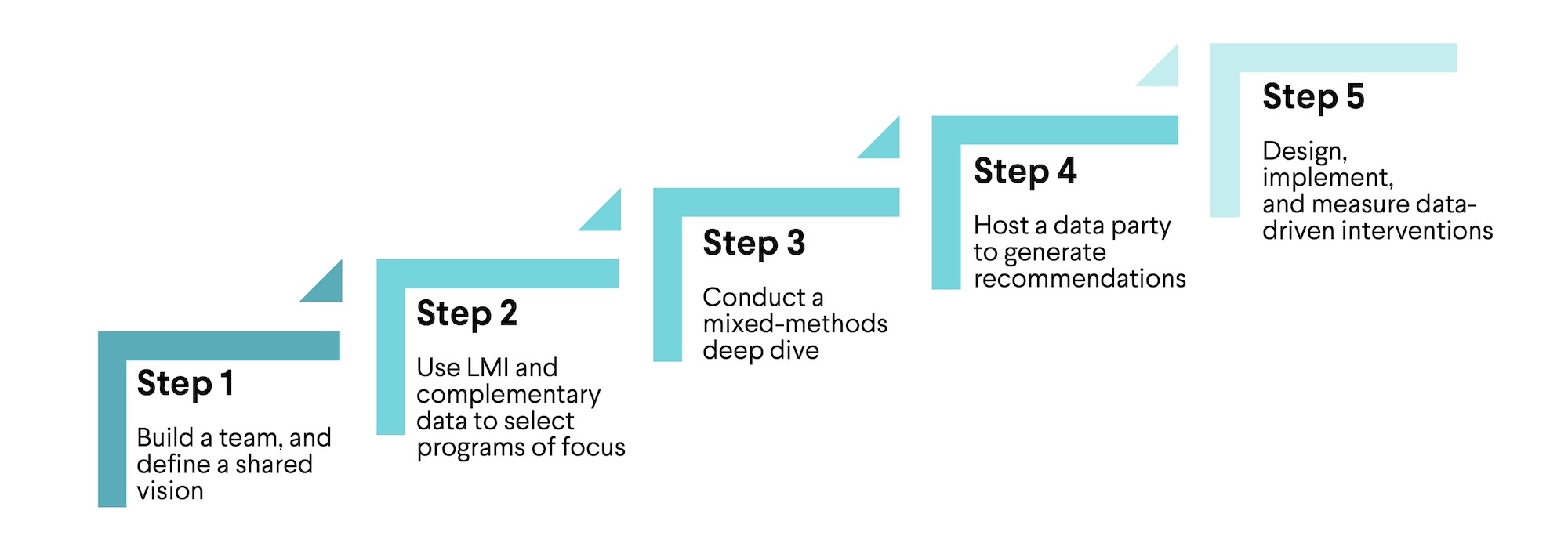
Using the experiences of three colleges involved in Disrupt the Divide as a model, this case study outlines a five-step process that community colleges and other education and workforce leaders can use to identify academic programs that prepare learners for high-wage, high-growth jobs and improve learners’ ability to access and succeed in those programs.
To understand the experiences of learners and design customized strategies that improve learner access and success, JFF and college leaders used data provided by Lightcast, a labor market analysis company, with two other critical data sources: program data (enrollment and completion rates) and learner voice (feedback collected in focus groups and surveys to capture learners’ views and understand their needs). JFF adopted this mixed-method approach to ensure that the steps college leaders took to improve learner access to and success in educational programs were not only data-driven but also grounded in the lived experiences of the learners on their campuses.

 The three community colleges featured in this case study are forward-thinking North Carolina institutions: Durham Technical Community College in Durham, Forsyth Technical Community College in Winston-Salem, and Stanly Community College in Albemarle. They partnered with JFF to identify regional high-wage, high-growth jobs and co-design strategies to ensure that learners from populations facing barriers to economic advancement would be able to access and succeed in academic programs aligned to those jobs.