Youth Apprenticeship in Action
As on-the-ground conditions in policy, funding, and labor markets shift, so can the models. A pre-apprenticeship program can act as a pipeline into full apprenticeships; non-registered apprenticeship programs may go through the registration process; and a registered apprenticeship may determine that they need a pre-apprenticeship program to gain readiness skills.
Each program below faced unique conditions: different populations, varying industry sectors, distinct state policy environments, and different stakeholders and sponsors driving decision-making. Each had to determine what was most important to young adults and employers as they designed their programs, and adjusted models along the way.
Exemplars
Pascagoula-Gautier Teacher Aide Registered Apprenticeship Program
Pascagoula, MS
Registered Youth Apprenticeship
Education
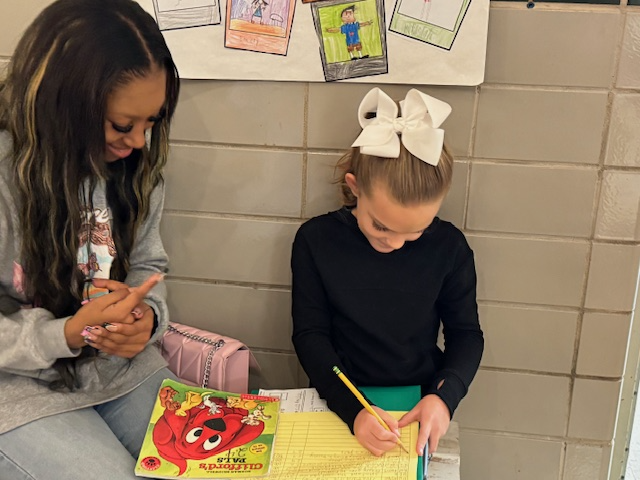
- Occupation: Teacher Aide
- Population Served: 16-to-18-year-olds (recruited from eligible high school juniors) enrolled in the Pascagoula-Gautier School District’s Educator Prep program
- Duration: Begins in junior year and ends at the completion of senior year of high school (2 years)
- Goal: To grow the pool of eligible Teacher Aides, grow interest in the teaching profession, ensure students enrolled in high school can find a job upon graduation, and expand their options to enroll in college.

Why they chose this model:
The state of Mississippi offers funding and support to develop Registered Apprenticeship programs. With the school acting as program sponsor, Related Training and Instruction provider and employer, they were less concerned about timelines but the ability to sustainably fund the program and ensure students were being trained in an occupation with substantive hiring need in the region.
Their success with this program has allowed them to stand up successful registered youth apprenticeship programs in other sectors such as health care.

Youth Apprenticeship Outcomes
- High school degree.
- Credit for prior learning at William Carey University toward a bachelor’s degree in elementary education and special education endorsement.
- Scholarship opportunity at Southern Mississippi University.
- Regular employment opportunities within school district.
- Portability of apprenticeship completion credential toward Teacher’s Aide across the state regardless of postsecondary enrollment.

Related Technical Instruction
Delivered by school district; apprentices earn high school degree and U.S. DOL certificate of completion upon apprenticeship completion.

On-the-Job Training
The school district is also the employer of record; apprentices are released for 3 hours a day to perform on-the-job training at a neighboring elementary school within the district and are formally mentored by certified teachers and principals who track hour completion and competency mastery.

Other factors that influenced their decisions
Due to the limited employment opportunities in their local area, stakeholders began their apprenticeship programming with an occupation for which they could more easily influence hiring outcomes, and which was already a common registered apprenticeship occupation in their state.
“In places like ours that are rural and have a lot of poverty, we must think out of the box for helping our students graduate and find employment”
-Derek Read, Director of CTE & Workforce Development, Pascagoula-Gautier School District
CREATE (Creative Routes Empowering Apprentices Toward Employment) Hawai’i Youth Pre-Apprenticeship and Apprenticeship Program
Hawai’i Island and Kaua’i, HI
Non-Registered Youth Pre-Apprenticeship
Non-Registered Youth Apprenticeship
Creative Media

- Occupation: Digital Video Editor, Multimedia Producer
- Population Served: 16-to-18-year-olds enrolled at Kealakehe High School
- Duration: Begins in junior year and ends at the completion of senior year of high school (2 years)
- Goal: To design and pilot a scalable apprenticeship program to meet the growing workforce needs of Hawai’i’s creative sector while providing Hawai’i’s youth with a clear pathway into the creative media workforce.
Why they chose this model
This program was designed with flexibility in mind to meet the needs of local media and multimedia employers without having to create new occupations for registration purposes. They aligned with a non-registered youth pre-apprenticeship to youth apprenticeship approach, because it allowed them to create a “Swiss army knife” media apprenticeship aligning incorporating competencies from media and business occupations.
Youth Apprenticeship Outcomes
Pre-apprenticeship
- 3-4 college credits.
- Eligibility to apply for apprenticeship.
Apprenticeship
- High school diploma.
- Business Leadership Certificate from Arizona State University.
- 12-15 college credits through Accelerate ASU dual enrollment.
- Adobe Premiere Pro certification.
- Microbadge in DaVinci Resolve Professional.
Related Technical Instruction
Embedded Career and Technical Education coursework in Film and Media Production and ASU Business Leadership Certificate curriculum to help students understand entrepreneurship and business management. Employer partner Nā Leo TV delivers workshops on technical suites.
On-the-Job Training
For pre-apprenticeship: Leveraging Hawai’i Department of Education’s Work-Based Learning internship requirements to track hours worked, job duties performed, outcomes, and employability sills. This model was designed to meet Hawai’i’s educational work-based learning requirements and definitions.
For apprenticeship: 120 hours of training divided across rotations at two employers; apprentices will work with employers to develop video content and other content creation; industry partners will provide technical coaching through the program.
Other factors that influenced their decisions
The program sponsor, ‘Ewalu Industries, wanted to ensure they were designed for scale when they piloted this model. A non-registered apprenticeship approach allowed them to more easily test and refine their approach, the occupations, and the Related Training and Instruction and on-the-job training alignment without needing to formally modify their program.
“CREATE Hawai’i was built to help elevate the future storytellers of Hawai’i.”
-Alexis Ching, Co-Founder and President, ‘Ewalu Industries
Dev/Mission IT Pre-Apprenticeship
San Francisco, CA
Registered Youth Pre-Apprenticeship
Technology
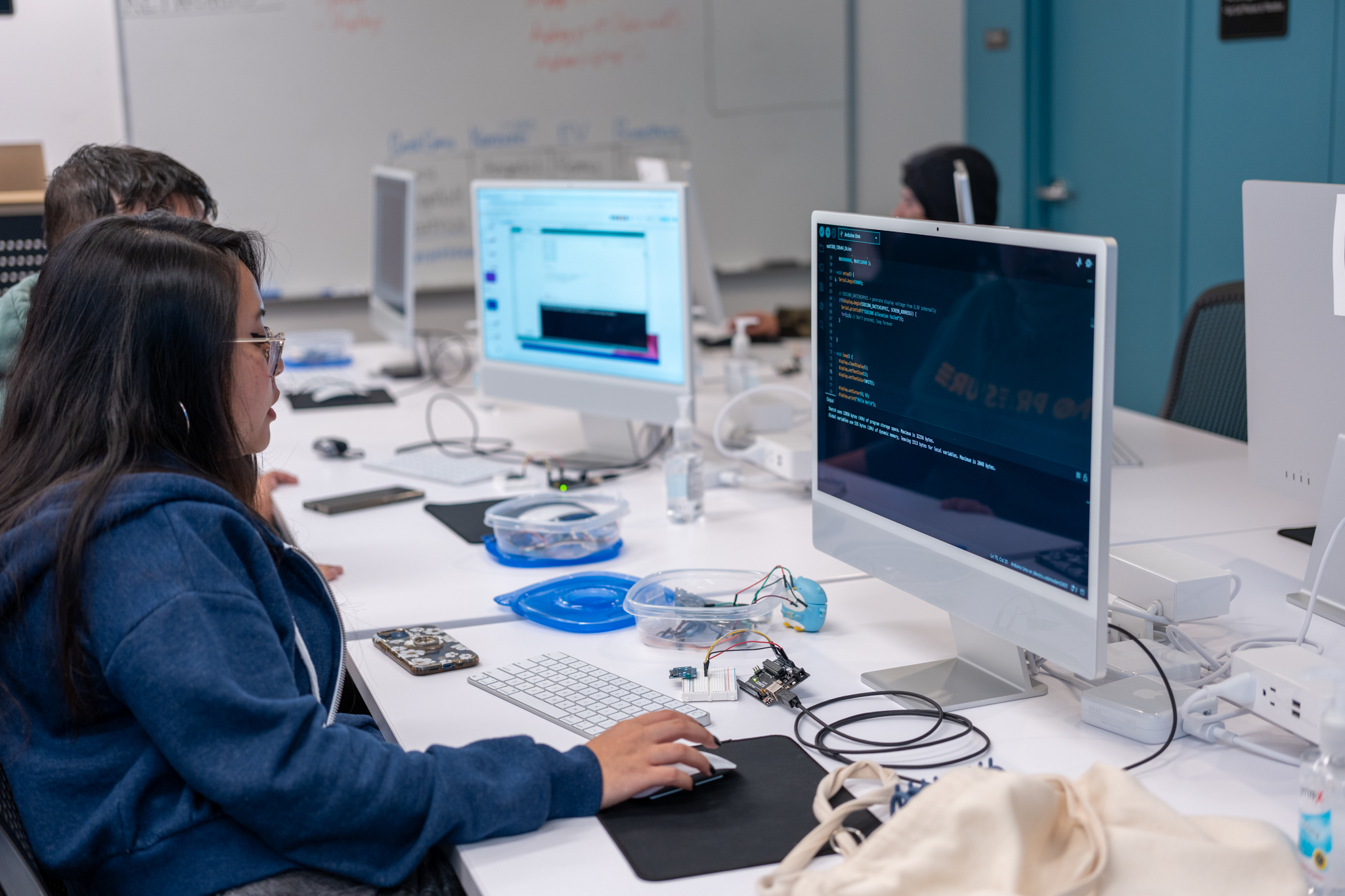
- Occupation: Customer Service Tech Support, IT Generalist
- Population Served: 18-to-24-year-olds
- Duration: 12 weeks
- Goal: To develop a paid and accessible on-ramp to tech roles as an alternative to unpaid internships that are only available to a limited group of enrolled college students, while also supporting the growth of in-state tech talent pipelines for local businesses.
Why they chose this model
The program sponsor, Dev/Mission, was experienced in implementing successful IT training-to-employment bootcamps. Their connections to employers and experience implementing other work-based learning opportunities helped them determine that their young adults could use a more foundational apprenticeship approach.
Youth Apprenticeship Outcomes
- Eligibility into the Skill Up Registered Tech Apprenticeship Program.
- Access to a network of continuing education and other WBL opportunities.
Related Technical Instruction
Embedded training in IT, programming, Internet of Things (IoT) and career skills and readiness. All training is provided in-house by tech professionals, including career trainings and coaching led by industry leaders. Pre-apprentices do site visits to see what it means to work in tech and to network with professionals.
On-the-Job Training
Pre-apprentices do a “break and build” with hardware and do software projects, such as coding their own website.
Other factors that influenced their decisions
During the program design phase, the state of California was funding registered pre-apprenticeships, which incentivized employers who were otherwise risk-averse.
“Our goal is to prepare graduates from our program to earn real tech job experience as they prepare during the apprenticeship for roles in the tech industry.”
-Leonardo Sosa, founder and CEO, Dev/Mission