
The National Apprentice Fund, Supported by Google.org
June 25, 2025
At a glance
JFF’s National Apprentice Fund is a $2 million initiative to provide financial assistance directly to apprentices to increase program completion rates.
About the National Apprentice Fund
Research has shown that financial barriers are a primary reason why apprentices don’t complete their apprenticeship programs. In April 2025, Jobs for the Future (JFF), with Google.org’s support, launched the National Apprentice Fund (NAF) to address this barrier. Through $2 million in funding from Google.org, the NAF provided financial awards to apprentices 18 years of age and older across the United States with demonstrated challenges in addressing immediate financial needs, such as paying for housing, transportation, child care, and other essential living expenses.
It’s not uncommon for people to experience financial challenges when they pursue education or training to gain new skills so they can advance in their careers. The NAF provided financial assistance to participants in Registered Apprenticeship programs who were having trouble paying their expenses while participating in training. The NAF focused on supporting apprentices in occupations in emerging and high-demand industries, such as health care, technology, and advanced manufacturing.
Although apprentices earn wages while learning on the job, starting wages in apprenticeship programs are often lower than those of fully trained workers. During the early to middle stages of training, apprentices may face financial pressures that can make it difficult to remain enrolled in and progress through their programs. The NAF’s flexible funds helped apprentices mitigate those pressures and remain in their programs to continue progressing toward careers in fields offering quality jobs. By reducing financial stressors and enabling more people to complete Registered Apprenticeships, the NAF aims to help build a stronger U.S. workforce.
Preliminary findings from an outcomes study JFF is conducting to assess the impact of the National Apprentice Fund provide insight into who the apprentices are, the industries they represent, and the financial challenges they’re facing.
The Fund’s Reach
All NAF recipients were awarded their one-time funds in the summer of 2025 and were able to use the money immediately to offset any expenses that created barriers. Since the funds were awarded, JFF has been conducting research to understand the impact of the fund.
The data snapshots below illustrate the fund’s reach:
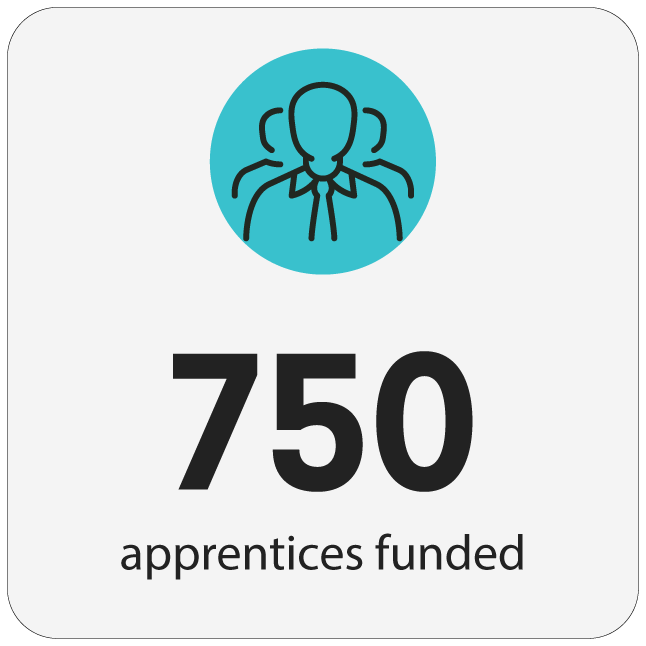
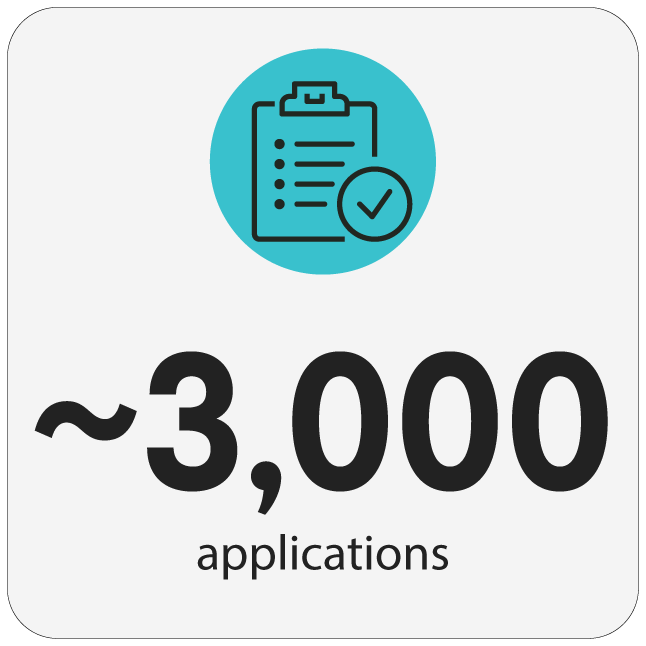
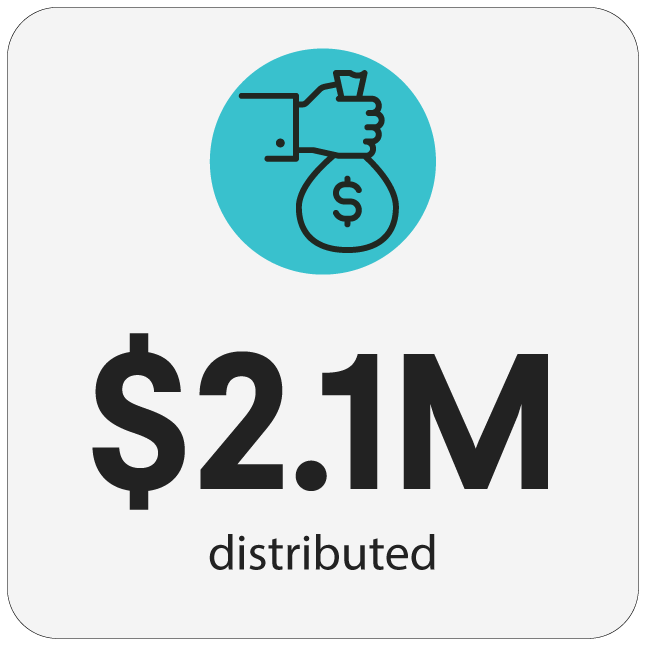
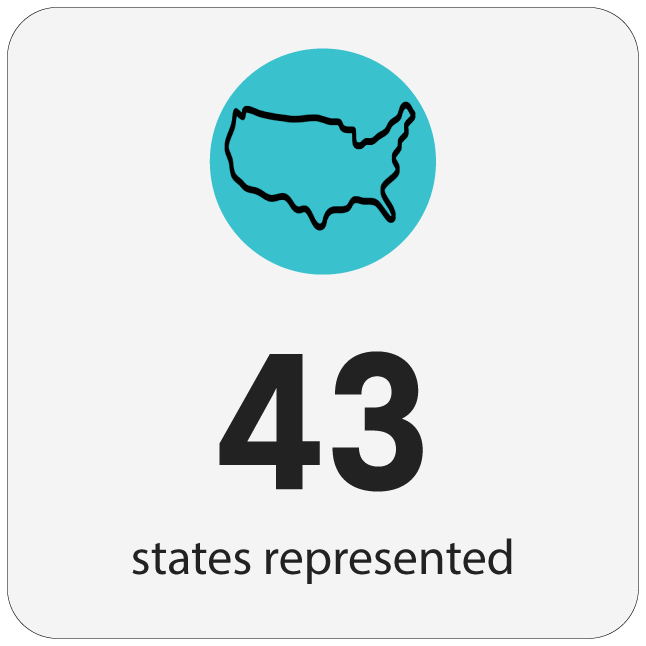
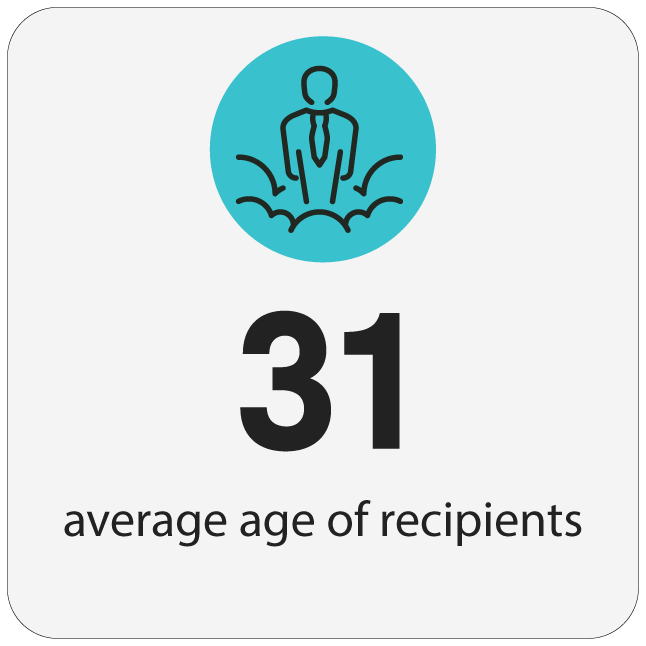
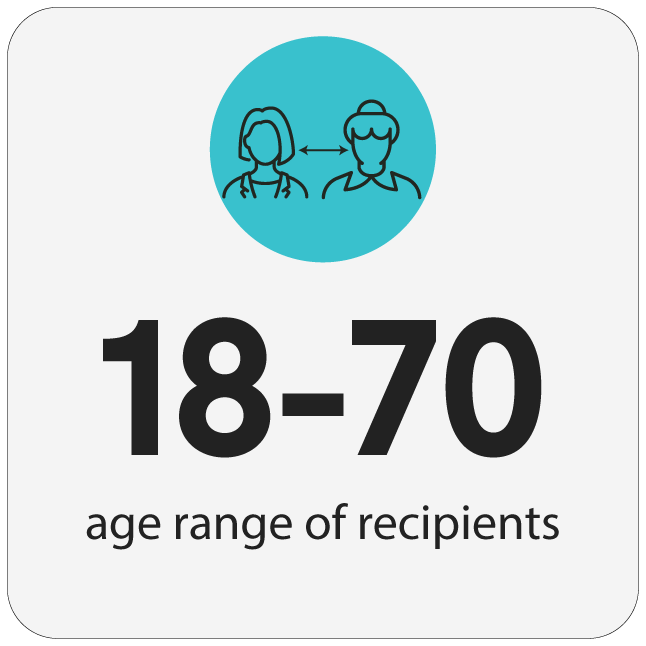
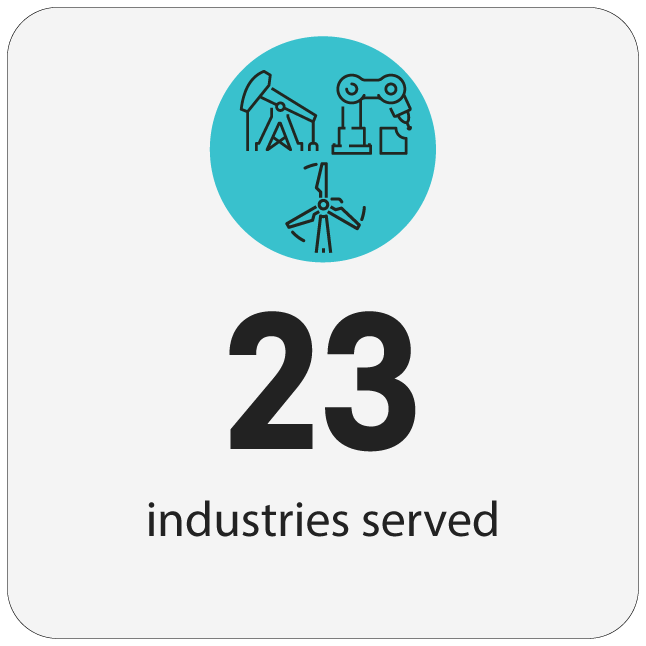
This interactive map offers a look at where apprentices are located and the industries they’re in.
Recipients were working in a wide range of industries, with health care, construction, and education among the most well-represented.

Health Care

Construction & Skilled Trades

Education

Child Care/Early Childhood Education

Advanced Manufacturing

Information Technology

Cybersecurity

Renewable Energy/ Clean Energy

Logistics & Transportation
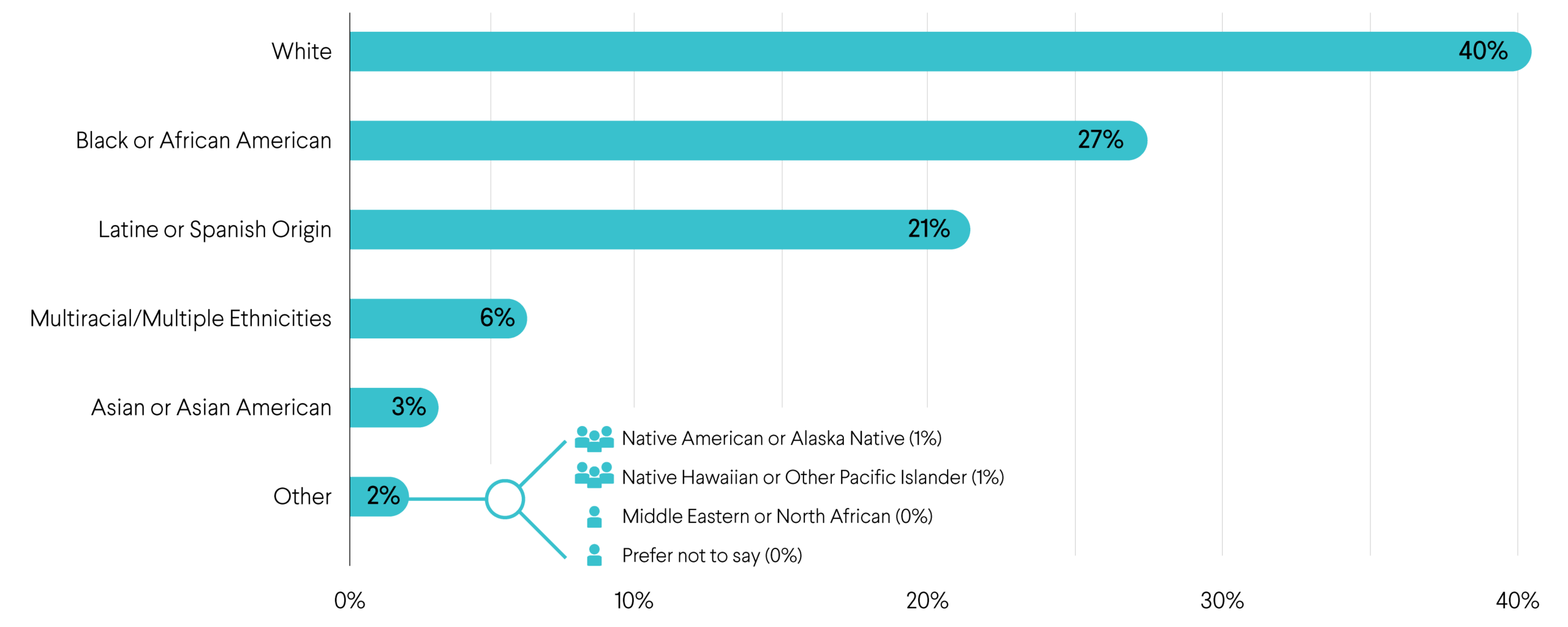
The NAF reached apprentices across a wide range of racial and ethnic backgrounds, with no single group comprising a majority of those funded.
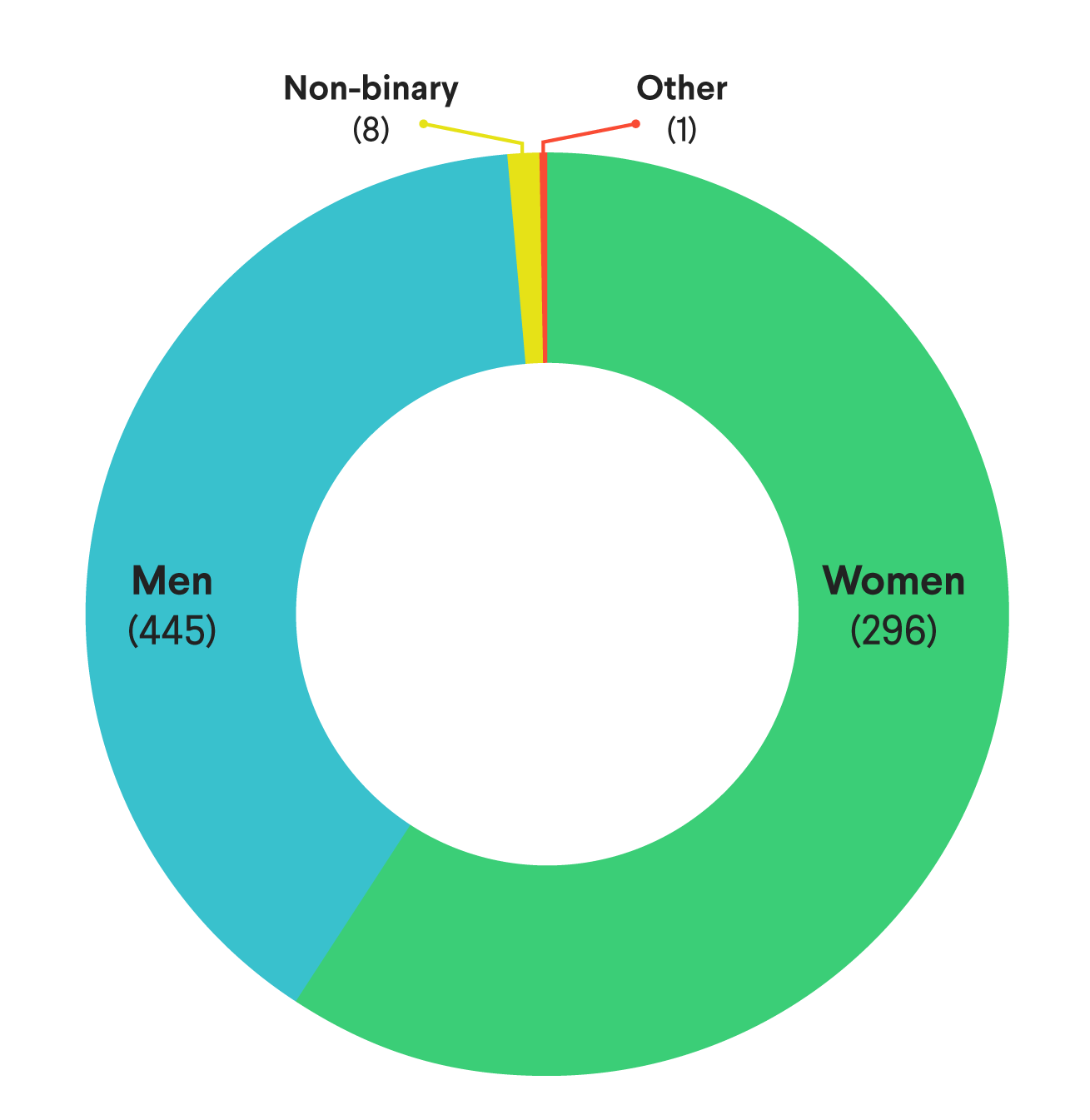
The majority of recipients identified as women, though the NAF reached apprentices across a range of gender identities.
How the Funds Were Used
Recipients of NAF funding reported using the money to address immediate financial needs that could otherwise disrupt their training or prevent ongoing participation in their apprenticeship programs.
Common uses included:
Transportation costs
Including fuel, transit passes, and vehicle repairs
Housing and basic living expenses
Such as rent, car payments, clothing for work, groceries, heating bills, internet service, medical bills, and other necessities
Tools and equipment required for training
Such as scrubs, nursing kits, and other medical equipment
Training materials and fees
Including textbooks, printed materials, laptops, and the cost of classes themselves
The Fund’s Impact Thus Far
Early findings from data recipients provided when they applied for funding, their responses to a follow-up survey, and their comments in interviews indicate that the NAF is having a positive impact on many apprentices’ career and education journeys.
Outlined below are themes that are rising to the top from the NAF outcomes study that JFF is currently conducting.
The NAF is helping apprentices work toward program completion.
For many recipients, the NAF arrived when they were at a turning point—when financial pressure had begun to threaten their ability to stay enrolled. Recipients consistently describe the award as the difference between pushing through and stepping away.
For many recipients who were still actively enrolled in their apprenticeships at the time of the follow-up survey and interviews, the NAF’s impact on their ability to stay in their programs was striking.
More than six in 10 rated the funding as critical to their ability to stay enrolled, and nearly nine in 10 reported it had at least some effect on their persistence.
Both of those statistics are strong indicators that financial relief translates directly into stronger conditions for completion. For apprentices already navigating financial hardships, the fund isn’t a supplement—it’s a lifeline.
The NAF is supporting apprentices facing multiple overlapping financial challenges.
Insights from NAF recipients showed that financial hardships rarely come alone: Most reported struggling to pay multiple essential expenses at the same time. Paying for housing, food, and transportation were the most commonly reported difficulties, and they nearly always appeared together: Recipients facing one of these challenges were very likely to be facing all three.
This graphic illustrates that it’s common for multiple financial challenges to overlap.
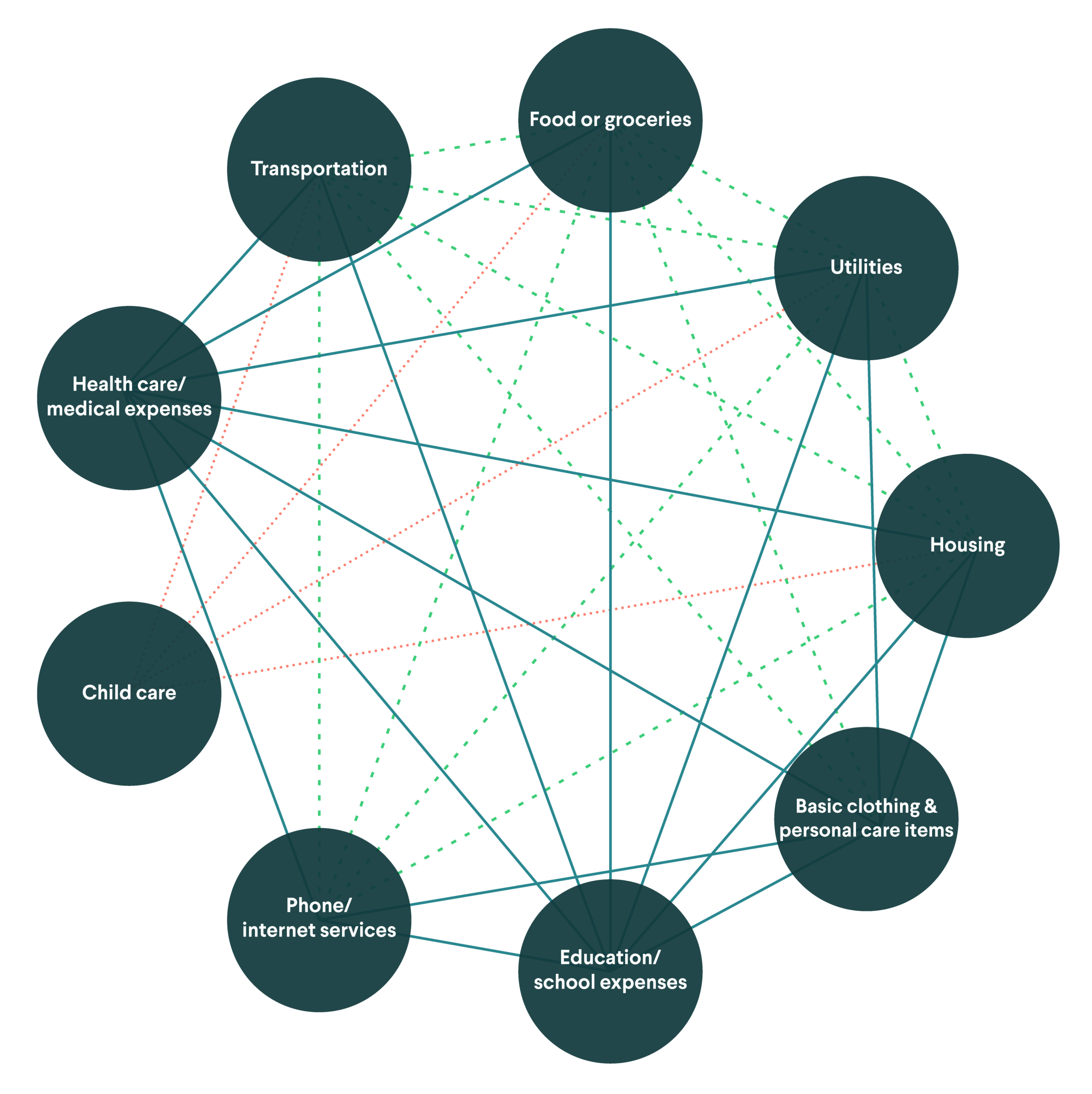

As apprentices balance these complex challenges, even modest expenses can disrupt progress and retention, highlighting the importance of monetary support that helps apprentices remain enrolled and continue toward completion.
The NAF helped alleviate these financial challenges: 95.8% of recipients reported that they were able to address the needs they identified in their original applications.
The NAF is offsetting early-to-mid apprenticeship lower wages.
Although apprentices earn wages while learning on the job, starting wages in apprenticeship programs are normally lower than those earned by fully trained workers in the same occupation. Depending on the length of the apprenticeship program, these lower wages can last from months to years and can make it difficult for apprentices to manage everyday expenses. When apprentices take on a second job to fill the gap, it comes at a cost: less time to study, more fatigue, and greater risk of not completing their apprenticeship program.
In some cases, entering an apprenticeship often means accepting a significant pay cut—a financial reality that hits hardest in the early stages of training. For recipients already managing housing, groceries, child care, and other bills, reduced wages don’t just create discomfort; they create a structural barrier to completion. And if hours decline seasonally, that pressure intensifies.
As one apprentice noted, “I took a big pay cut to do this apprenticeship, and the bills have been much harder to pay.” The NAF helped bridge that gap, keeping financial hardship from becoming the reason an otherwise committed apprentice had to walk away.
The funds also help address non-financial barriers.
Recipients have said that the benefits of the NAF have extended beyond financial relief. They frequently cited easing of mental health concerns as an additional benefit.
Mental health strain is a hidden but significant threat to apprentice completion. Many recipients described feeling overwhelmed by the competing demands of on-the-job training, technical instruction, and outside responsibilities—burdens that, left unaddressed, can impair people’s ability to function and ultimately push them to consider leaving their programs altogether. For apprentices in high-demand fields like construction and health care, this strain is especially acute.
According to recipients’ comments in interviews and information they provided in the survey, the funds helped reduce acute stress and prevent crisis exits. Apprentices describe using the money they received to avoid eviction, repair vehicles required for work, renew licenses, or purchase required tools, and several said they likely would have left their programs without the support.
“I feel so much more at peace with having all the resources I need to get me through this apprenticeship. Before receiving the funds, I always had constant pressure on how I was going to make each day work out. This apprenticeship has required so much of my effort, time, and mental capacity—adding the financial stress onto everything was almost too much to process. I have a huge weight off my shoulders and I am so, so grateful!!”
— Health Care Apprentice, Washington State
Access to mentorship is just as important as access to financial resources.
Recipients consistently point to support from mentors, counselors, and cohort peers as critical to their ability to persist through difficult stretches. Human connection helps apprentices build the resilience that keeps them on track when challenges arise, making mentorship not just a complement to financial assistance but an essential component of completion in its own right.
What Apprentices Say
The NAF’s impact is clear: When apprentices can address their immediate financial needs, their program experience improves.
But don’t take it from us. Listen to the incredible apprentices working hard across the country to make better lives for themselves and their families:
“While the material benefits of the funding were clear—helping with tools, bills, and baby supplies—what I didn’t fully anticipate was the emotional and mental relief it would bring. Knowing someone had my back, even briefly, lifted a huge weight off my shoulders during a time when I was carrying the pressure of providing for a growing family, keeping up with demanding apprenticeship work, and staying afloat during slower winter months. The funding gave me more than just financial support—it gave me space to breathe, to focus, and to show up more fully for both my training and my family. That sense of being supported and seen in my journey was something I didn’t expect to feel so deeply—and it made a real difference in my mindset and motivation.”
— Apprentice, Building Trades/Construction, Alaska
“Working as a CNA in the apprenticeship program making $16 an hour is difficult when I have bills and other expenses. These funds will allow me to spend more on school-related needs without cutting corners in other parts of my life.”
— Apprentice, Health Care, North Carolina
“The support from the fund allowed me to repair my car, which made it possible for me to get to work on time, stay engaged in my apprenticeship program, and continue my studies. It gave me stability and peace of mind, and it reminded me that there are organizations who believe in supporting people who are working hard to build a better future.”
— Apprentice, Social Services, Pennsylvania
Measuring Outcomes
In the NAF outcomes study, JFF is using a mixed-methods approach to assess the fund’s contribution to apprentice persistence, completion, and overall program outcomes. The study is guided by five core research questions examining the financial and non-financial barriers apprentices face, how financial support influences retention and satisfaction, and what outcomes—including job placement, wage gains, and credential attainment—recipients achieve.
Recipients of NAF awards are encouraged to make reasonable efforts to complete their training. Recipients may also participate in the NAF program evaluation, complete surveys, participate in focus groups, and offer other forms of feedback to help JFF assess the NAF’s impact and help improve future iterations of the program.
Data is collected directly from NAF applicants and recipients through three sources: the fund application, a follow-up survey, and recipient interviews. Data collection occurs within a one-year window, with analysis conducted on a rolling basis.
- Quantitative analysis draws from application and survey data to track apprenticeship continuation and completion rates, demographic patterns, and program outcomes across different industries and populations.
- Qualitative analysis draws on semi-structured interviews and open-ended survey responses to capture the lived experiences of apprentices receiving support. These interviews explore how financial assistance affected apprentices’ ability to remain in their programs, the types of financial pressures they were managing, and whether additional wraparound supports such as mentorship or peer support shaped their experiences.
Findings from both qualitative and quantitative analyses will be synthesized in a final report, which will be grounded in existing research and will provide recommendations for future fund iterations.
What’s Next for the National Apprentice Fund?
JFF’s National Apprentice Fund research provides early insights into how direct financial support can impact apprenticeship program outcomes and help apprentices navigate financial challenges while they complete their training. JFF is continually assessing the NAF’s impact on apprentice outcomes, including retention, completion, and job placement, through a comprehensive evaluation of data and insights that people who receive funding share in surveys, interviews, and ongoing communication with JFF.
As apprenticeship continues to expand across industries, understanding the financial realities apprentices face will be important for strengthening workforce pathways and improving program completion outcomes. JFF will continue sharing insights from the NAF initiative as additional data become available.