
Project
Next-Generation Apprenticeship for Next-Generation Talent
JFF is expanding access to pre-apprenticeship and Registered Apprenticeship by preparing 1,000 young people ages 16-24 for participation in these programs by 2026.
April 15, 2026
This impact story shows JEVS Human Services builds and scales pre-apprenticeship and Registered Apprenticeship programs for youth and young adults and offers other providers tips for successful implementation of apprenticeships.
 JEVS Human Services is a Philadelphia-based nonprofit workforce intermediary that provides workforce development, career and technical education, and community living supports. Each year, JEVS helps approximately 25,000 people build sustainable pathways to independence and economic security. That includes 2,500 young people ages 16 to 24 who aren’t in school and aren’t working—a population often referred to as “opportunity youth.”
Over the past decade, Jobs for the Future (JFF) has served as a national apprenticeship intermediary and long-term strategic partner to JEVS, helping the organization build and scale high-quality pre‑apprenticeship and Registered Apprenticeship programs in IT, health care, and advanced manufacturing. This includes early work JFF undertook with support from the U.S. Department of Labor’s Apprenticeship Expansion and Modernization Fund and deep technical assistance and work‑based learning design support we provided as part of our Rapid IT Training and Employment Initiative (RITEI).
In 2022, with the support of the Department of Labor’s Apprenticeship Building America grant program, JFF and partners launched the Next-Generation Apprenticeship for Next-Generation Talent initiative. To date, our work with JEVS under that initiative has yielded the following results:
JEVS uses pre-apprenticeship programming offered through its EduConnect program to increase access to Registered Apprenticeships for youth and young adults. In EduConnect, participants earn industry-standard short-term credentials in cohort-based classes tailored to local employers’ needs.
Historically, JEVS had partnered with postsecondary institutions that grant two- and four-year degrees with limited focus on career pathway opportunities. However, beginning in the 2021-22 academic year, JEVS shifted its focus to developing state-approved pre-apprenticeship programs as employer demand for shorter-term training increased and new opportunities arose in the national and state apprenticeship landscapes.
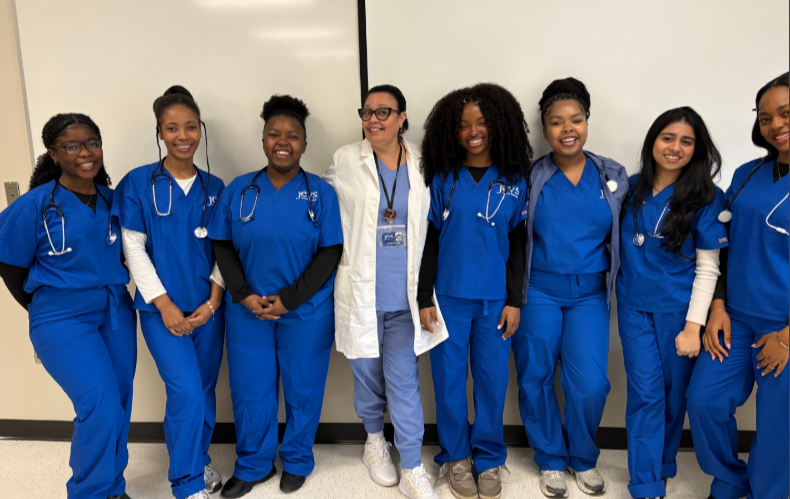 JEVS generally builds pre-apprenticeships in partnership with external training providers but also crafts its own offerings, including several health care training programs, using EduConnect as the training vendor. JEVS pre-apprenticeships are all approved by the state of Pennsylvania; the organization recognizes the importance of certifying that its offerings meet the state’s criteria for quality programming to ensure that employers will have confidence in its training initiatives and to maintain its access to state resources and supports.
Over the past six years, JEVS has focused on offering health care and IT training, especially for the many youth and young adults it serves. In most cases, JEVS offers its pre-apprenticeship programming at Orleans Technical College, the organization’s state-of-the-art training center in Northeast Philadelphia.
Jobs for the Future has supported JEVS’s efforts to expand and improve its apprenticeship capacity and expertise by making financial investments, providing coaching services, and facilitating the organization’s efforts to forge partnerships. As a grantee of JFF’s Apprenticeship Building America grant, JEVS has built an impressive portfolio of pre-apprenticeship programs for young people enrolled in Philadelphia’s comprehensive high schools and charter schools. These programs follow its adult program model of cohort-based trainings with coursework tailored to the skills and knowledge required to pass exams required for industry-recognized credentials (including the National Healthcare Association’s credentialing exams).
In the few short years since engaging with JFF in the ABA project in 2022, JEVS has created or expanded 10 pre-apprenticeship programs. More than 300 youth and young adults have enrolled in these programs, and the completion rate is 95%. To date, 13 people have enrolled directly in a Registered Apprenticeship after completing a JEVS pre-apprenticeship and nearly half of them have completed the Registered Apprenticeship.
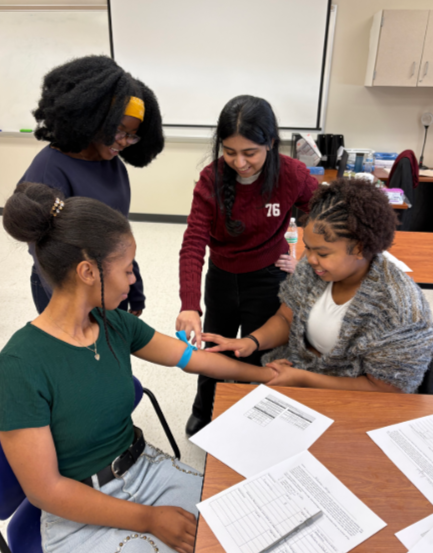 JEVS uses its pre-apprenticeship programs strategically. In some cases, as with its pharmacy technician program, a pre-apprenticeship is designed to increase the number of people interested in, and qualified for, an existing Registered Apprenticeship. In other cases, the goal is to foster interest among specific JEVS employer partners in designing and creating a new apprenticeship in a particular field, as when employers in the Einstein Healthcare Network provided feedback and gave final approval for the curriculum of a JVS health care apprenticeship. In other instances, JEVS will develop a pre-apprenticeship program in response to employer demand, which was the impetus for the organization’s decision to introduce a certified medical assistant pre-apprenticeship.
JEVS takes an intentional approach to the design and implementation of pre-apprenticeship programs to ensure that young people are not only able to participate in the programs but also have an opportunity to thrive and succeed in their training. Here are some specific keys to the organization’s success:
A dedicated team of workforce staffers from the JEVS EduConnect program provide learners with counseling support, one-on-one career guidance, and connections to an array of social services. Staff also put a premium on maintaining contact with pre-apprenticeship participants after they finish their training. This is done through monthly surveys and by linking participants with JEVS career navigators who support career exploration and post-training job placement efforts.







This publication is supported by the U.S. Department of Labor’s (DOL) Employment and Training Administration (ETA). It is wholly funded with federal resources provided by the Apprenticeship Building America grant program.
JFF is expanding access to pre-apprenticeship and Registered Apprenticeship by preparing 1,000 young people ages 16-24 for participation in these programs by 2026.

This pre-apprenticeship framework outlines strategies and promising practices for developing high-quality programs that serve opportunity youth participants.

Jobs for the Future (JFF) was contracted by the U.S. Department of Labor as a Youth Apprenticeship Intermediary (YAI) between 2019 and 2023. This road map is an account of the strategies implemented and lessons learned along the way.

Learn promising practices in building and growing successful apprenticeship programs for opportunity youth.