Skip to content
A group of people sits in a bright office, attentively listening to two colleagues leading a discussion; one holds a tablet while the other smiles.
Tool

Skills Navigator

A tool to help companies identify their next skills-based wins

December 11, 2025

At a Glance

This practical decision-making tool guides organizations to their next high-impact skills-based practice. It showcases proven actions across six areas of talent management, giving HR leaders and business executives a clear way to choose quick wins that build workforce strength and deliver measurable results. 

Contributors
Jon Kaplan Senior Advisor
Practices & Centers

Overview

Talent shortages, widening skills gaps, and rapid shifts driven by artificial intelligence and economic disruption are reshaping how companies compete and grow. Many companies recognize skills-based talent practices as a path forward, but deciding where to start, or what to do next, can be overwhelming.

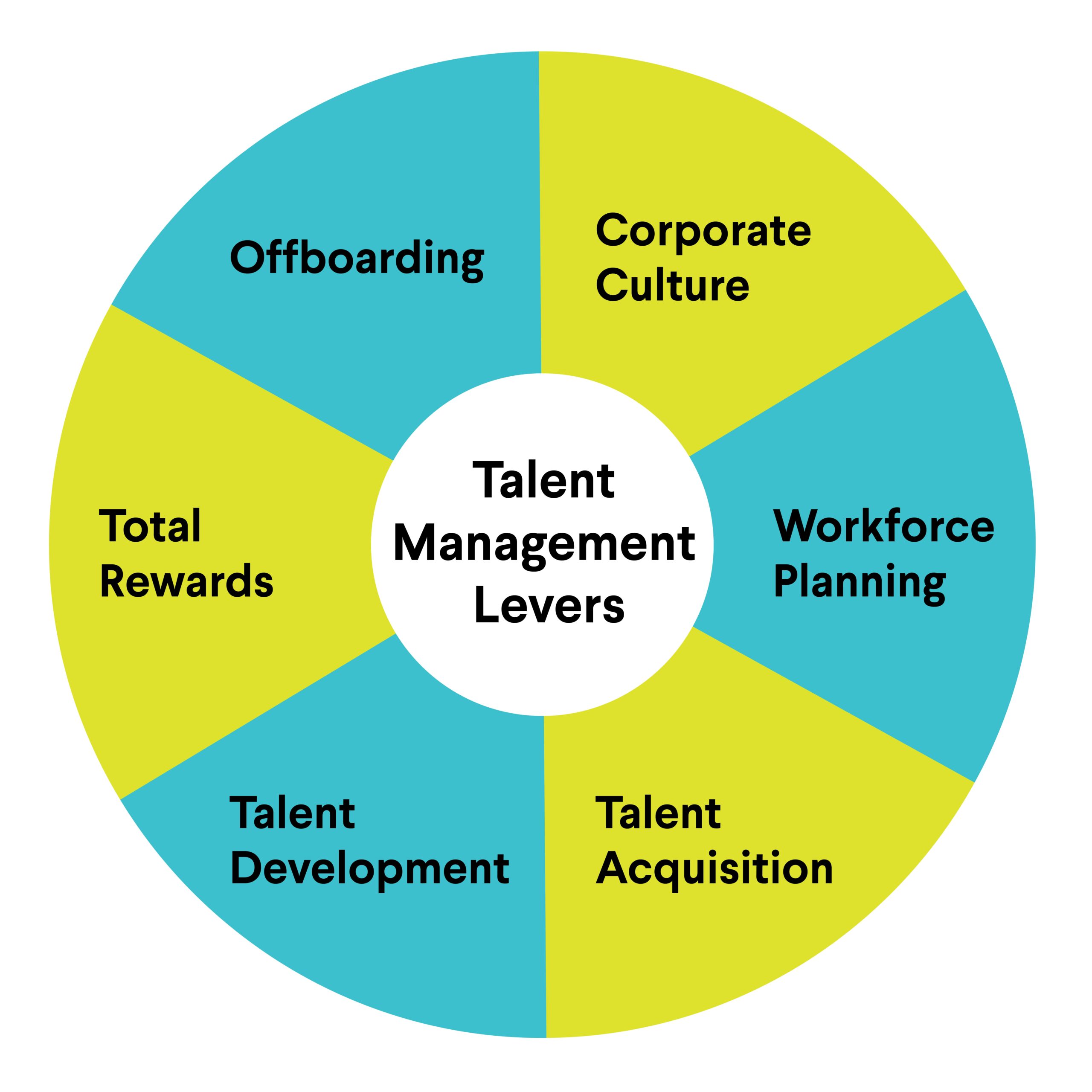
The Jobs for the Future (JFF) Skills Navigator helps companies focus on what matters most: identifying and implementing the skills-based practices that deliver business results. Built on JFF’s Impact Employer Model, it highlights proven skills-based practices across six talent management levers—talent acquisition, talent development, total rewards, offboarding, workforce planning, and corporate culture—and provides curated resources to help companies put them into action.

With this tool, human resources (HR) leaders and business executives can identify the next practice that will strengthen their workforce, address pressing skills challenges, and drive measurable business results.

Charting Your Course

The Skills Navigator helps employers move from ideas to action. Use it to identify your next skills-based win, align it with your company’s priorities, and put it into practice with confidence.

Driving outcomes that are good for people and good for business. 

As you prepare to execute your plan, consider partnering with JFF for the best results. As a national leader in the skills-first movement, JFF offers customized support to companies interested in adopting skills-based strategies.

Deploying the Skills Navigator With Your Team

Here are three examples of activities that HR leaders can organize and lead to turn the Navigator into a team tool:

Executive Roundtable:

HR provides senior leaders with a one-page overview of the six talent management levers. In a roundtable discussion, HR asks executives to identify which levers will deliver near-term business impact while positioning the company for long-term growth and agility. The group aligns on one or two priority levers, and HR uses this guidance to develop specific practices for implementation.

Manager Alignment Session:

HR convenes frontline managers to discuss current workforce challenges such as hiring bottlenecks or retention risks. Using the Navigator’s decision questions, HR guides managers to connect these challenges to relevant practices and agree on one or two pilot projects that can be deployed quickly.

Cross-Functional Strategy Sprint:

HR brings together leaders from business units, learning and development, and finance for a focused 60-to-90-minute working session. Each group identifies a practice with the potential to deliver measurable results in the next quarter. HR leads alignment on a single priority and assigns clear ownership to drive execution.

A circular diagram titled "Talent Management Levers" with six sections: Corporate Culture, Workforce Planning, Talent Acquisition, Talent Development, Total Rewards, and Offboarding.

Explore the Six Levers

This section features 25 proven skills-based practices organized across six talent management levers. Each offers a concrete way to improve workforce performance and deliver business impact.

Talent Acquisition

Talent Development

Total Rewards

Offboarding

Corporate Culture

Workforce Planning

Talent Acquisition

Talent acquisition is a thoughtfully designed process to identify and assess job candidates and hire qualified employees. Employers that adopt skills-based talent acquisition policies and practices can build engaged and resilient workforces made up of people with a wide range of backgrounds and lived experiences.

Why Focus on Talent Acquisition? 

For HR leaders and business executives, investing in a skills-based approach to talent acquisition means building hiring processes that are likely faster, fairer, and more effective than current practices.

Employers often struggle with challenges like these:

  • Overreliance on degrees and other credentials as indicators of an individual’s ability to do a job, which limits the pipeline of capable talent they’re able to access and, in turn, limits career opportunities for people with skills acquired outside of formal education and training programs.
  • Time-consuming hiring processes and high recruiting costs that strain resources and curtail a company’s ability to grow quickly.
  • High turnover, which can be a consequence of hiring people who don’t have the skills and expertise a role requires.

A skills-based approach to talent acquisition can enable employers to make positive moves like these:

  • Broaden candidate pipelines by focusing on what people can do, not where they went to school.
  • Reduce recruiting costs and shorten hiring timelines by identifying qualified candidates more efficiently.
  • Reduce mis-hires and increase retention through consistent skills-based assessments.
  • Expand opportunities for candidates without a four-year degree.
Practice 1: Skills-Based Job Requirements

Objective: Shift job descriptions to focus on skills—what candidates can do—rather than degrees or years of experience.

Desired End State: Entry-level job descriptions focus exclusively on the skills required for success. They include the foundational skills candidates need to quickly learn new capabilities through on-the-job training. Companies are likely to use AI and machine learning tools to identify, group, and maintain the skills included in each role.

Resources:

Practice 2: Skills-Based Candidate Assessment 

Objective: Use skills-based assessments and performance tests to measure desired skills.

Desired End State: Decisions about whether job candidates are suitable for particular jobs are made using a formal and consistent set of objective skill assessments. Recruiters have been trained to interview applicants and assess talent based on skills and ability, not just credentials, and they know to look for “adjacent” skills—capabilities that are closely related to the primary areas of expertise people will need in certain roles. Assessment tools include all or most of the following:

  • Behavioral interviews (with objectively defined criteria)
  • Hiring panels made up of employees from a range of backgrounds
  • Written or online skills tests
  • Portfolio evaluations

Resources:

Practice 3: Skills-Based Hiring Protocols

Objective: Offer training on skills-based hiring to employees who make hiring decisions. Implement compliance protocols so that candidates are assessed based on required and desired skills rather than credentials.

Desired End State: All staff members involved in hiring new employees receive ongoing training on the use of the company’s job skill assessment tools, as well as training that enables them to minimize the influence of unconscious bias in decision-making. Compliance systems are in place to ensure that staff members follow established protocols when making hiring decisions. 

Resources:

Practice 4: Skills-Focused Sourcing Strategies

Objective: Find qualified job candidates from a wide range of backgrounds via sources that identify and/or screen candidates based on required and desired skills.

Desired End State: The company taps multiple talent pipelines to source candidates from a wide range of backgrounds. To identify talent it may have overlooked in the past, the company forges long-term relationships with a variety of partners, including sourcing specialists, community colleges, historically Black colleges and universities, internal employee resource groups, community-based organizations, and providers of short-term training courses that lead to credentials. The outcomes of these relationships are measured and analyzed over time to ensure that they are yielding the desired results.

Resources:

Talent Development

Talent development refers to an employer’s approach to providing employees with opportunities to gain knowledge and build new skills through workplace training. Such programs strengthen the employer’s internal talent pipeline, prepare workers for career advancement, boost employee performance and engagement, and improve retention. By enabling employees to build relevant, in-demand knowledge and expertise, skills-based talent development practices drive employee and company success.

Why Focus on Talent Development?  

For HR leaders and business executives, investing in skills-based learning and development practices means building a workforce that is more capable, more engaged, and more likely to stay while ensuring that the company has the talent it needs to compete and grow.

Companies often struggle with challenges like these:

  • Unclear career pathways that make advancement difficult and hinder retention.
  • Limited access to professional development, especially for frontline and entry-level workers.
  • Weak post-hire support for employees who need help building confidence and skills.
  • Inconsistent manager engagement in career coaching and development.
  • Siloed skill-building programs that limit opportunities for internal mobility and curb an employee’s ability to adapt to new conditions and take on new responsibilities.

A skills-based approach to talent development can enable employers to make positive moves like these:

  • Provide transparent career pathways that help employees understand how they can advance based on the skills they have, not just on the titles they’ve held or their tenure with the organization.
  • Expand access to professional development by offering employees at all levels paid opportunities to learn during working hours.
  • Strengthen post-hire support by offering new workers mentoring, coaching, and training.
  • Empower managers to make career development a core part of their role.
  • Offer cross-training and job-rotation opportunities that build agility and identify employees throughout the company who have the potential to contribute in new areas.
Practice 1: Skills-Based Career Pathways

Objective: Provide employees with transparent skills-based career pathways.

Desired End State: Formally defined skills-based career pathways exist and are transparent for all job roles, including frontline and entry-level positions. Pathways articulate the skills, behaviors, and proficiency levels necessary for advancement. Pathways are easily accessible and are addressed in the regular performance and career development discussions employees have with their managers. Companies are likely to use AI and machine learning to design pathways and keep them current.

Resources:

Practice 2: Wildly Available Professional Development

Objective: Offer all employees opportunities to participate in robust, paid professional development experiences, including programs in which they can build transferable skills.

Desired End State: Employees at all levels of the enterprise have access to a large catalog of professional development courses focusing on skills that are necessary for career advancement. Courses are well aligned to frontline employee career pathways (if they exist) and offer a wide array of learning experiences. Employees can take part in professional development during paid time.

Resources:

Practice 3: Robust Post-Hire Support

Objective: Ensure that employees without extensive work experience and/or a college degree or other credential have the support they need to fully use the skills for which they were hired.

Desired End State: Recently hired employees without four-year degrees consistently receive post-hire coaching, mentoring, and training that are tailored to their needs.

Resources:

Practice 4: Manager-Led Career Coaching and Development

Objective: Ensure that managers are able and enthusiastically willing to provide career coaching and development advice and guidance to their employees.

Desired End State: Employees at all levels of the enterprise receive growth-oriented feedback and guidance from their managers. Coaching is aligned to the career aspirations of employees and is integrated with other professional development opportunities. Coaching expectations for managers are well-defined and clearly articulated. Managers are provided with the support they need to provide this guidance, and they’re held accountable for delivering coaching that’s aligned with employee and organizational expectations.

Resources:

Practice 5: Cross Training and Job Rotation Opportunities

Objective: Provide employees with paid opportunities to work in departments and roles that are different from their own so they can become familiar with career paths throughout the organization and prepare for lateral moves and career advancement.

Desired End State: Employees at all levels of the enterprise have access to robust, individualized paid cross-training and/or job rotation opportunities that prepare them for advancement through formal participation in real-world activities. These experiences are overseen by enthusiastic, well-trained, and highly motivated employees who are committed to helping participants advance and will offer them authentic, growth-oriented feedback.

Resources:

Practice 6: Skills-Based Mentoring Programs

Objective: Pair employees with mentors and coaches who have the skills and expertise the employees will need to advance.  

Desired End State: Employees at all levels of the enterprise have access to skills-based mentoring through which they receive personalized guidance and growth-oriented feedback from more-experienced colleagues who are well trained and highly motivated. The mentoring program is well integrated with other professional development opportunities. 

Resources: 

Practice 7: Robust Pre-Hire Development

Objective: Build a strong pipeline of potential employees through pre-hire development programs such as internships, apprenticeships, and career-focused enrichment programs.  

Desired End State: Pre-hire development programs effectively enable participants to build skills the company needs. The company periodically assesses the efficacy of the program and makes improvements to it on a regular basis. The program engages a relatively large number of participants and serves as a major source of talent for specific roles at the company. Graduates hired by the company are successful contributors. 

Resources: 

Total Rewards

Total rewards programs provide employees with comprehensive packages of pay and benefits that go beyond traditional offerings like salary, retirement plans, health insurance, and paid time off. Skills-based employers align total rewards with skill growth, investing in development opportunities and pay structures that strengthen workforce capability and business performance.

Why Focus on Total Rewards? 

For HR leaders and business executives, investing in total rewards strategies means making compensation and benefits drivers of professional development and retention that support both employee career advancement and business success.

Companies often struggle with challenges like these:

  • Pay models based on titles or tenure that fail to reward skill development.
  • Education benefits that are limited or difficult to use.
  • Low participation in development programs due to unclear or weak incentives.
  • Gaps in access to learning support, particularly for frontline workers.

A skills-based approach to total rewards can enable employers to make positive moves like these:

    • Link pay directly to skill acquisition, rewarding employees for mastering in-demand capabilities.
    • Provide accessible financial support to cover the cost of degrees, certifications, and short-term learning without administrative barriers.
    • Increase participation in development programs by connecting benefits clearly to career advancement.
    • Ensure unrestricted access to learning opportunities for all employees, including frontline workers.
Practice 1: Financial Support For Skill Development and Occupational Certifications

Objective: Provide employees with financial support to cover the cost of external learning and skill development programs, and offer flexible scheduling and other accommodations to ensure that they’re able to participate fully.

Desired End State: Frontline employees receive generous financial support for high-quality skill development, degree, and nondegree programs that enable career advancement. Financial support benefits are administered efficiently to remove bureaucratic obligations that limit an employee’s ability to participate, such as requirements that they pay tuition in advance, secure multiple levels of approvals, or manually complete paper-based forms. Employees receive wraparound support services so they can focus on learning and maximize the educational impact of these programs.

Resources:

Practice 2: Skills-Based Compensation

Objective: Link compensation and rewards to the acquisition and utilization of key skills.

Desired End State: Frontline employees receive pay increases when they master skills that are essential to the company’s success and/or their own success on the job. The pay increases and the skills they’re tied to are clearly defined, skill acquisition is assessed fairly and impartially, and adjustments are applied consistently.

Resources:

Offboarding

Offboarding is the process of smoothly transitioning departing employees out of the company. One way skills-based employers prepare for offboarding is to proactively offer training in new skills to employees who could be at risk of losing their jobs during cutbacks, creating opportunities for them to move into more advanced roles within the company or find new jobs quickly if they do get laid off. These employers also often provide these employees with credentials, verifying that they’ve completed their training.

Why Focus on Offboarding? 

For HR leaders and business executives, investing in offboarding means creating a strategic advantage for their organizations and preparing employees for career advancement—or at least a smooth transition to the labor market—while the company experiences a downturn. Proactively training employees to build in-demand skills can help preserve in-house talent and expertise, protect the organization’s brand reputation, and reduce rehiring costs.

Companies often struggle with challenges like these:

  • Loss of institutional knowledge when employees depart.
  • Negative brand impact caused by publicity about employees’ poor offboarding experiences.
  • Declining engagement among employees who sense that the organization has limited loyalty toward them and won’t support them during business downturns.
  • High rehiring and training costs resulting from the need to constantly replace talent because turnover is high.

A skills-based approach to offboarding can enable employers to make positive moves like these:

  • Retrain employees and redeploy them into open roles instead of defaulting to layoffs.
  • Offer departing employees credentials verifying their training to give them portable proof of their skills and expertise.
  • Proactively offer outskilling opportunities—training that prepares employees for new industries and roles if they do get laid off.
  • Include education benefits in severance packages to support continued growth. Strengthen the company’s reputation by making transitions a positive part of the employee experience.
Practice 1: Reskilling Over Offboarding

Objective: Instead of laying off employees, retrain them for open job roles that require adjacent skills.

Desired End State: The company has an established retraining program (or multiple programs.) The program effectively transitions large numbers of employees into open job roles.

Resources:

Practice 2: Credential the Skills and Abilities Employees Acquire

Objective: Help employees certify that they hold industry-recognized skills so they will be better able to promote their past experiences when they’re looking for new jobs.

Desired End State: The company ensures that employees who complete training programs receive certifications and other credentials verifying their achievements. Certification training programs are rigorous, and they lead to credentials that are widely accepted in the labor market. These programs are available to all employees throughout the enterprise, and they’re clearly aligned with growing sectors of the U.S. economy. Companies are likely to use AI and machine learning to identify the skills current employees are using.

Resources:

Practice 3: Outskilling

Objective: Help future-proof employees by offering outskilling programs through which they can build skills that are in demand in other industries or other lines of work.

Desired End State: All frontline employees are eligible to participate in robust outskilling programs and receive other supports that will enable them to transition to new jobs. Outskilling programs are effective and clearly aligned to growing sectors of the U.S. economy.

Resources:

Practice 4: Skills-Focused Educational Benefits in Severance Packages

Objective: Provide funding for transitional skills development as part of standard severance packages.

Desired End State: Education benefits are robust, effective, and a standard component of severance packages.

Resources:

Corporate Culture

Corporate (or organizational) culture is the invisible force that shapes the internal workplace climate, influences employee interactions, affects business performance outcomes, and reflects a company’s values, ethics, vision, and behaviors. Skills-based employers thoughtfully build a corporate culture that encourages and facilitates the development of relevant and impactful skills.

Why Focus on Corporate Culture? 

For HR leaders and business executives, investing in corporate culture means creating an atmosphere and working environment in which it’s clear that skills are valued, growth is supported, and collaboration drives performance. 

Companies often struggle with challenges like these:  

  • Low awareness of skills-based practices among employees and managers. 
  • Performance reviews that focus only on output rather than development of skills. 
  • Weak knowledge sharing that keeps expertise siloed. 
  • Lack of employee awareness of internal opportunities for using one’s skills in other roles and other departments, limiting opportunities for career mobility. 
  • Teams built without consideration of complementary skills. 

A skills-based approach to corporate culture can enable employers to make positive moves like these:  

  • Build awareness and buy-in for skills-based practices across the organization. 
  • Shift performance management to reward both outcomes and skill development. 
  • Promote knowledge sharing through systems and norms that encourage collaboration. 
  • Use internal talent marketplaces to match employees with projects aligned to their skills. 
  • Form teams based on complementary skills to increase innovation and effectiveness. 
Practice 1: Awareness.and Support for Skills-Based Talent Practices

Objective: Instead of laying off employees, retrain them for open job roles that require adjacent skills.  

Desired End State: The company has an established retraining program (or multiple programs.) The program effectively transitions large numbers of employees into open job roles. 

Resources: 

Practice 2: Skill-Based Performance Management

Objective: Evaluate employees’ performances based on their acquisition and use of relevant skills rather than solely on job output or tenure.  

Desired End State: All managers provide performance reviews to their employees. Those reviews cover both job performance and employee skill levels in approximately equal measure. Performance reviews promote further skill acquisition tied to business goals and employee advancement. Managers are provided with clear expectations and appropriate support, and they’re held accountable for delivering performance reviews aligned with expectations. 

Resources: 

Practice 3: Skill-Based Knowledge Sharing

Objective: Create a culture that fosters knowledge sharing by adopting knowledge sharing processes and building online platforms or communities where employees can share expertise, best practices, and resources related to specific skills. These steps will promote and facilitate continuous learning and collaboration throughout the organization.  

Desired End State: Employees at all levels throughout the enterprise regularly use the company’s knowledge-sharing tool to share and acquire new skills. All employees receive training on the knowledge-sharing platform, and managers actively support its use. AI and machine learning can be used to optimize knowledge sharing. 

Resources: 

Practice 4: Skill-Based Talent Marketplace

Objective: Use an enterprise-wide talent-marketplace solution to track employee skills and match employees with appropriate jobs and projects.  

Desired End State: A talent-marketplace application is used to track employee skills throughout the entire enterprise. Proficiency levels are periodically reevaluated through a formalized assessment process and updated in the system. The talent marketplace is interoperable with all HR applications and platforms, enabling company leaders to make informed talent decisions across all business units. AI and machine learning can be used to identify employees with in-demand skills. 

Resources: 

Practice 5: Skill-Based Team Formation

Objective: Form project teams or task forces based on the specific skills required to accomplish a particular objective. This ensures that teams are made up of individuals with complementary skill sets, maximizing efficiency and effectiveness.  

Desired End State: Teams are consistently and universally designed to maximize the use of complementary skills to achieve specific objectives. The company relies on a talent marketplace platform (or similar technology) to help build high-performance teams made up of people with mutually-reinforcing specialized skills. To help optimize performance, teams periodically conduct skills assessments and some members may pursue training in new skills, if necessary. AI and machine learning can be used to optimize skills-based team formation. 

Resources: 

Workforce Planning

Workforce planning is the process of strategically aligning business goals and people management strategies. It involves analyzing, forecasting, planning, and adjusting to workforce supply and demand to ensure that a business is able to meet its talent needs and deploy its workers strategically to meet its business goals. Skills-based employers use the tools of workforce planning to assess existing skill gaps and put in place measures to develop the critical skills necessary for future success.

Why Focus on Workforce Planning? 

For HR leaders and business executives, investing in workforce planning means building a workforce that is future-ready, strategically aligned, and resilient to change.

Companies often struggle with challenges like these:

  • Reactive approaches to hiring and development that respond to short-term needs instead of future goals.
  • Limited visibility into workforce skills.
  • Unclear forecasting of future skill gaps.
  • Fragmented planning across business units without an enterprise-wide view.
  • Difficulty integrating workforce data and technology.

A skills-based approach to workforce planning can enable employers to make positive moves like these:

  • Develop a company-wide skills framework that defines the capabilities that are critical to success.
  • Map and inventory employee skills to understand current capacity of the workforce.
  • Identify and close skill gaps through targeted hiring, reskilling, and upskilling.
  • Align workforce planning with business strategy to ensure that the right people are in the right roles.
  • Use analytics and AI to anticipate talent needs and guide smarter workforce decisions.
Practice 1: Company-Wide Skills Taxonomy

Objective: Create a company-wide skills taxonomy that defines the key skills needed to succeed in each job.

Desired End State: The company uses a detailed skills taxonomy that defines the skills necessary to succeed in each individual role or job family across the enterprise. The taxonomy covers both technical skills and durable or transferable skills, and it is periodically reviewed, updated, and improved. The skills taxonomy is integrated into the company’s core HR processes and technologies. AI and machine learning are likely used to build and maintain the taxonomy.

Resources:

Practice 2: Company-Wide Skill Mapping and Inventory

Objective: Use comprehensive assessments to identify the skills of employees at all levels and in all departments, helping decision-makers understand the current skill landscape and identify potential skill gaps. 

Desired End State: The company regularly evaluates the overall state of its talent by undertaking a periodic enterprise-wide employee skills assessment. Results are aggregated and discussed with senior executives as part of strategic planning exercises. AI and machine learning are likely used to assess aggregate skill levels of the overall workforce.  

Resources: 

Practice 3: Periodic Skills-Based Workforce Planning

Objective: Conduct a periodic analysis of the skills your company needs and adopt a skills-based strategic workforce plan to ensure that the organization has sufficient talent to meet its business objectives. 

Desired End State: Decision-makers periodically engage in an enterprise-wide workforce planning exercise, defining the critical skills must have to ensure that the company can succeed. As part of this exercise, they identify key skill gaps and establish talent acquisition and development strategies. AI and machine learning are likely used to identify company-wide skill gaps. 

Resources: 

The Road Ahead 

JFF’s Skills Navigator is a starting point for taking practical steps that strengthen your workforce and deliver measurable business results. By exploring the six levers and identifying and adopting the practices that will have the most impact at your organization, you can achieve quick wins that build momentum for lasting change. 

To continue your journey, visit the JFF Skills Hub to access research, case studies, and tools that deepen your understanding of skills-based talent practices.


Get customized support

As a national leader in the skills-first movement, JFF offers customized support to companies interested in leveraging skills-based strategies. Learn more about how we can help your organization drive results that are good for people and good for business.