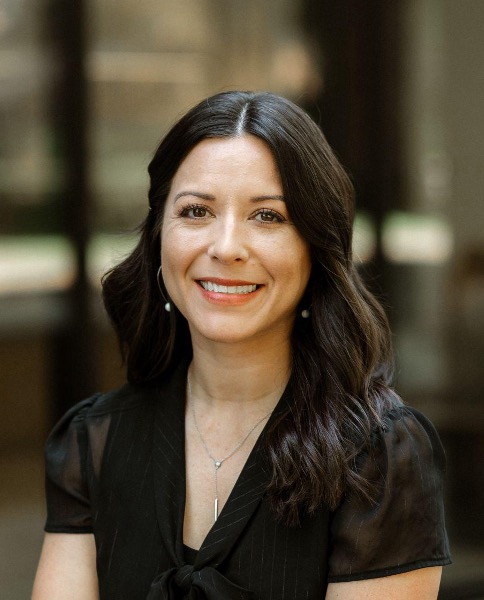
Their advice helped her problem-solve as she pursued federal approval for a bachelor’s degree program at Coffee Creek, the state’s only correctional facility for women, in the fall of 2024. Today, the program has 65 women working toward degrees in liberal studies. Suvanvej leads a similar program at a men’s facility. Their broad, interdisciplinary focus makes it easy for people to transfer credits and finish their degrees once they leave prison.
While incarcerated, many students report that higher education transforms how they see themselves, others, and the world around them. “Having the college program provides them with a purpose, and they apply what they’re learning to other programs, jobs, and their communities,” she said.
For nearly 30 years, a ban on people in prison using federal money to pay for college classes meant the end of higher education for all but a fraction of people who were incarcerated in the United States. Then, Congress reversed the ban, and in 2023, federal Pell Grants once again became available to incarcerated students, reigniting interest in prison education nationwide.
But there were still barriers. Without internet access or email accounts, incarcerated students were required to fill out a paper version of the FAFSA, or Free Application for Federal Student Aid, which is longer and more complicated than the online version and caused processing delays.
Suvanvej brainstormed with peers from neighboring states and ultimately found a solution that enabled incarcerated students in Oregon to submit their forms online and finally get approval to start classes. Her success served as a model for other programs encountering the same problems.
The Normalizing Education Collective has more than 200 postsecondary members from more than 80 colleges and universities in 38 states. In addition to coordinating the community of practice, JFF created and published many resources and held 39 virtual sessions, including regional meetings.
We’re also helping postsecondary leaders recognize that they are part of a broader ecosystem committed to expanding opportunity after incarceration. While education is essential, it cannot by itself address the full range of barriers people face upon reentry or create safer communities. Cross-sector collaboration to strengthen career pathways and connect students with holistic support services is also critical for helping people achieve long-term success. Through our Fair Chance to Advance initiative, JFF is preserving a critical peer learning space for leaders of higher education in prison programs while connecting them with partners across workforce development, corrections, community organizations, and employers to forge a stronger ecosystem supporting people during and after incarceration.