The American Job Quality Study
2026 State of the U.S. Labor Force The second year of the American Job Quality Study shows that 6 in 10 American workers still lack quality jobs, and populations including Gen Z workers and people…

November 2, 2026
The 2026 American Job Quality Study shows that not enough American workers have quality jobs. JFF research identifies opportunities that both improve that outcome and boost employer success.
In a moment of economic anxiety, when our recent survey data showed that more than half of American voters say the country does not “have a bright economic future,” it’s easy to say that more jobs are the solution.
At Jobs for the Future, we agree—with a caveat. More quality jobs are the solution this country needs to build economic resilience for our workforce, our communities, and the nation.
The need for quality jobs—which provide the economic security, opportunity, agency, and working conditions people need to thrive—has been at the foundation of JFF’s mission for many years. In 2023 we set our North Star goal—by 2033, 75 million people facing barriers to economic advancement will work in quality jobs—and have seen steady progress from our starting point.
But the most recent findings from our second American Job Quality Study, conducted in partnership with Gallup and The Families & Workers Fund, are sobering: For the second year in a row, only 4 in 10 Americans reported having a quality job. That means fewer than half the workers surveyed have a job that meets an established set of standards where they earn enough, feel safe, have opportunities for advancement, have stability and predictability in scheduling, and have a voice in decisions that affect them.

This data, released this week, highlights another foundational part of the work at JFF: the belief, as president and CEO Maria Flynn has said, that we are not moving far enough, fast enough, on our work to improve these outcomes. Our recent voter survey, conducted with Morning Consult, bears this out: 81% of participants across political parties said that improving job quality was an urgent issue heading into the midterm elections.
The American Job Quality Study addresses these concerns with a deep dive into the experiences of today’s workers, and insights that employers, policymakers, and leaders across the ecosystem can act on to improve both worker and business outcomes and boost economic competitiveness.
Existing labor market data, such as the Bureau of Labor Statistics’ monthly jobs report, provide critical information about job creation and employment rates and offer new insights into which industries and populations are growing or declining.
But these numbers only tell part of the story. By conducting a large-scale national survey on job quality, we’ve been able to uncover clear evidence of why the quality of American jobs matters.
A quality job is one of the clearest ways for economic progress to become tangible in people’s lives. It can provide economic security today while creating opportunities to build skills, exercise agency, advance, and create greater stability for the future. Quality jobs also benefit employers and the economy through stronger retention, worker health, and workforce stability.
That is why JFF’s North Star is not simply about training or employment. It is about whether more people have access to work that creates a genuine path to economic advancement.
By conducting a large-scale national survey on job quality, we’ve been able to surface insights that help answer these questions, with responses across the full spectrum of work experience, from fulfillment of basic needs to culture, safety, and agency.
With the second year of data, we’ve identified a clear relationship between quality jobs and successful business outcomes, too. For example, comparing the 2025 and 2026 results shows that employees in non-quality jobs in 2025 were twice as likely to be working for a new employer one year later. In addition to data on employee retention, this year’s research also shows strong correlations between job quality and health concerns, including missed work, sick days, and health care expenditures.


The overall number of American workers surveyed who hold a quality job has not changed statistically from last year: 40% do, 60% do not. This year’s report also highlights the disparities across specific populations, including Gen Z workers and workers with records of arrest, conviction, or incarceration.
Among Gen Z workers:
Hear from Gen Z workers on their reaction to these findings. Samarah Bentley and Jason Vadnos from the Youth Advisory Council at the Britebound Center for Career Navigation at JFF share their thoughts.
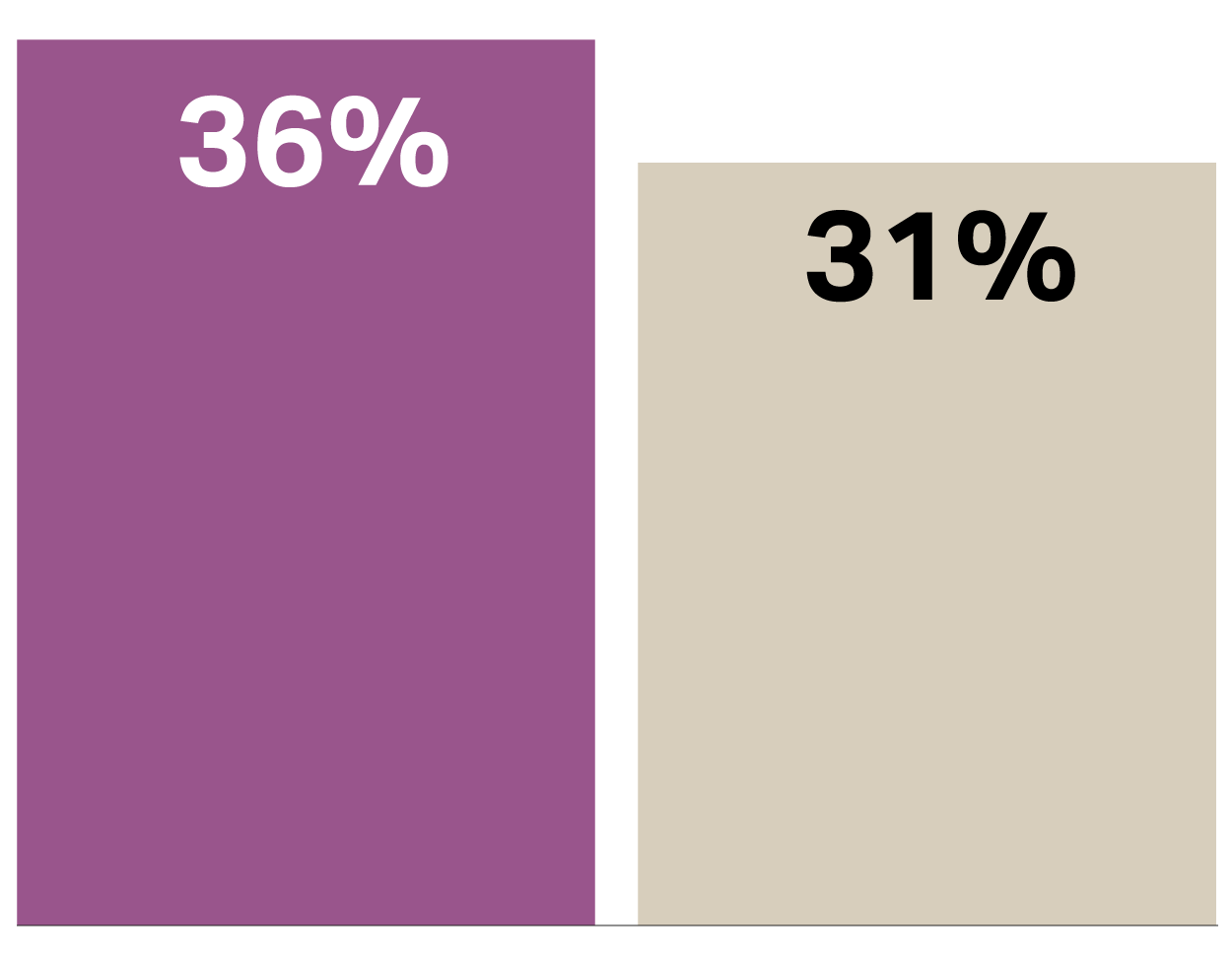
Workers with records also experienced lower job quality than average: only 36% of workers with records of arrest or incarceration reported having a quality job, and only 31% of workers who have been incarcerated. Members of this group also reported fewer opportunities for on-the-job training and skill-building, and more experienced financial insecurity.


This year’s study also featured spotlight sections on some of the top-of-mind issues for today’s workers, including financial security, workplace safety, and the use of artificial intelligence. Broadly, each of these areas shows the profound impacts and opportunities that job quality offers workers, as well as the disparities that emerge for people without quality jobs.
The study’s insights include:
More than half of self-reported AI users at work said the tools help them work faster (63%) and find more creative solutions (56%). Broadly, however, AI adoption overall was uneven; more than half said they had not used it in their role at all, and more-frequent users were substantially more likely to already work in quality jobs.
Watch Alex Swartsel, vice president of the Center for Artificial Intelligence & the Future of Work at JFF, and Jenny Weissbourd, managing director of the Families & Workers Fund, discuss this year’s research findings on AI.
Demographic groups with lower job quality rates were more likely to report workplace mistreatment; these included 48% of LGBTQ+ employees, 52% of Middle Eastern or North African employees, and 59% of neurodivergent employees.
Nearly one in three employees (31%) reported they are “just getting by” or “finding it difficult” to get by; that number drops to 13% among employees in quality jobs. This finding also correlates with JFF’s recent voter research, where fewer than half of voters surveyed said they felt more financially secure than they did one year ago.
Our data is clear: not enough Americans work in quality jobs, and concern about job quality, financial stability, and opportunities for advancement are top of mind for many voters heading into the midterm election cycle.
These insights, however, also clarify the path toward increasing job quality across the country. Our 2025 and 2026 research both show that predictable scheduling, opportunities for training and advancement, and more say in the use of tools and technologies like AI can boost worker satisfaction. These, in turn, support business performance with stronger worker retention and well-being.
Explore our findings in depth in the American Job Quality Study: 2026 State of the U.S. Labor Force, and connect with us to learn more about boosting job quality in your business and community.

2026 State of the U.S. Labor Force The second year of the American Job Quality Study shows that 6 in 10 American workers still lack quality jobs, and populations including Gen Z workers and people…

Workforce solutions for workers, employers, and the American economy At Jobs for the Future (JFF), we work with education and training providers, employers, policymakers, community-based organizations, and more to drive progress toward our North Star…

Ahead of the 2026 midterms, new JFF polling explores voters’ economic outlook, financial security, and priorities for elected officials on quality jobs, workforce skills, and affordable education and training. Voter Views on Education, Training, and…