Skip to content
A large, diverse group of people wearing different clothes and uniforms, representing various professions and backgrounds, stand closely together facing forward.
Report/Research

The American Job Quality Study

2026 State of the U.S. Labor Force

At a Glance

The second year of the American Job Quality Study shows that 6 in 10 American workers still lack quality jobs, and populations including Gen Z workers and people with records experience lower job quality than the national average.

Led by Jobs for the Future (JFF) and our research partners, the American Job Quality Study is the first nationally representative survey of job quality across the entire U.S. workforce.

Contributors
Jobs for the Future
Gallup
The Families & Workers Fund

Key Findings About American Workers and Employers

A grid of squares with rounded corners, featuring five rows of purple squares over four rows of light blue squares.
For the second year, results showed that most U.S. workers (60%) don’t have quality jobs.
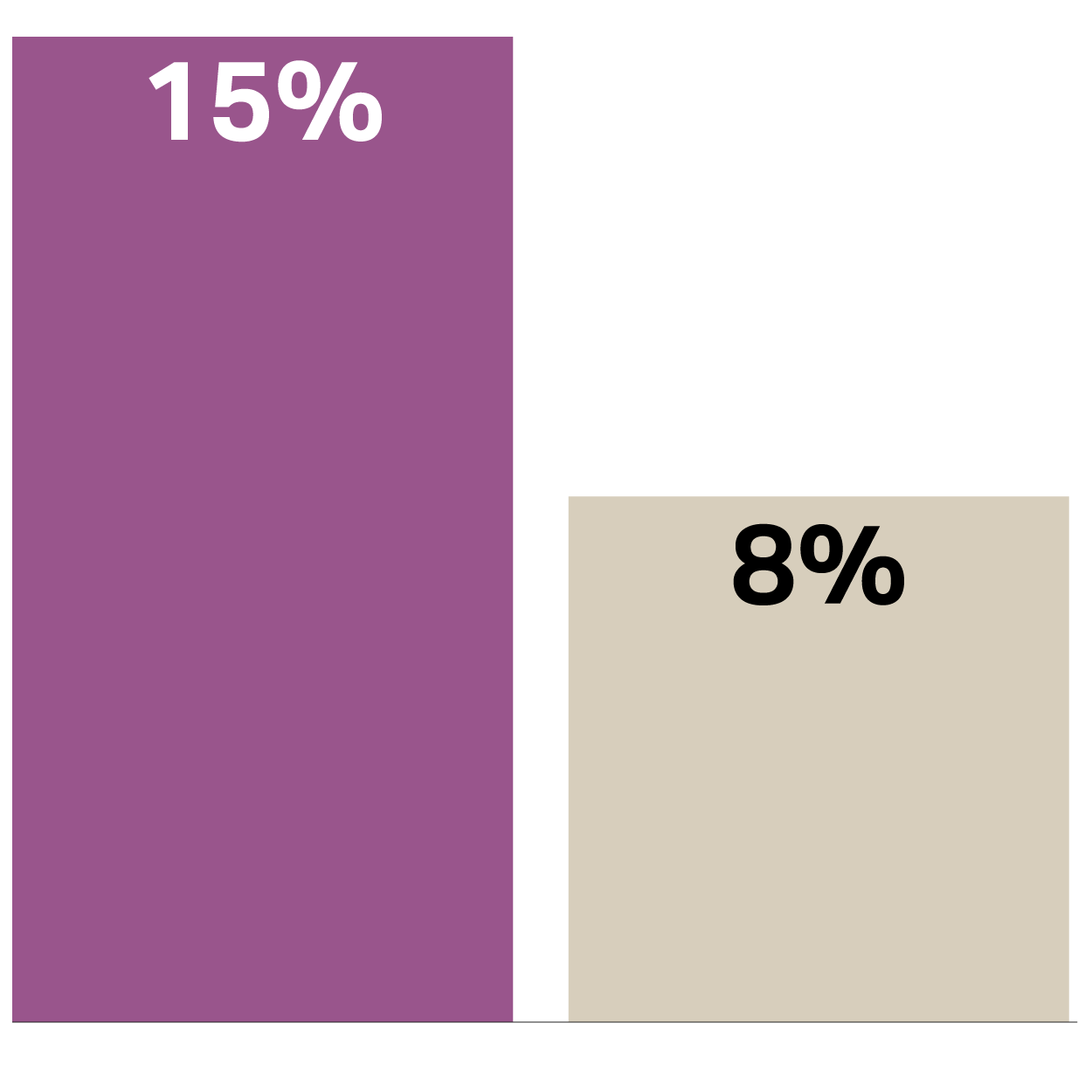
A bar chart comparing two values: a taller purple bar labeled 15% and a shorter tan bar labeled 8%.
Employees in quality jobs are more likely to stay with their employer. Employees who were in non-quality jobs in 2025 were nearly twice as likely to be working for a different employer one year later, 15% versus 8%.
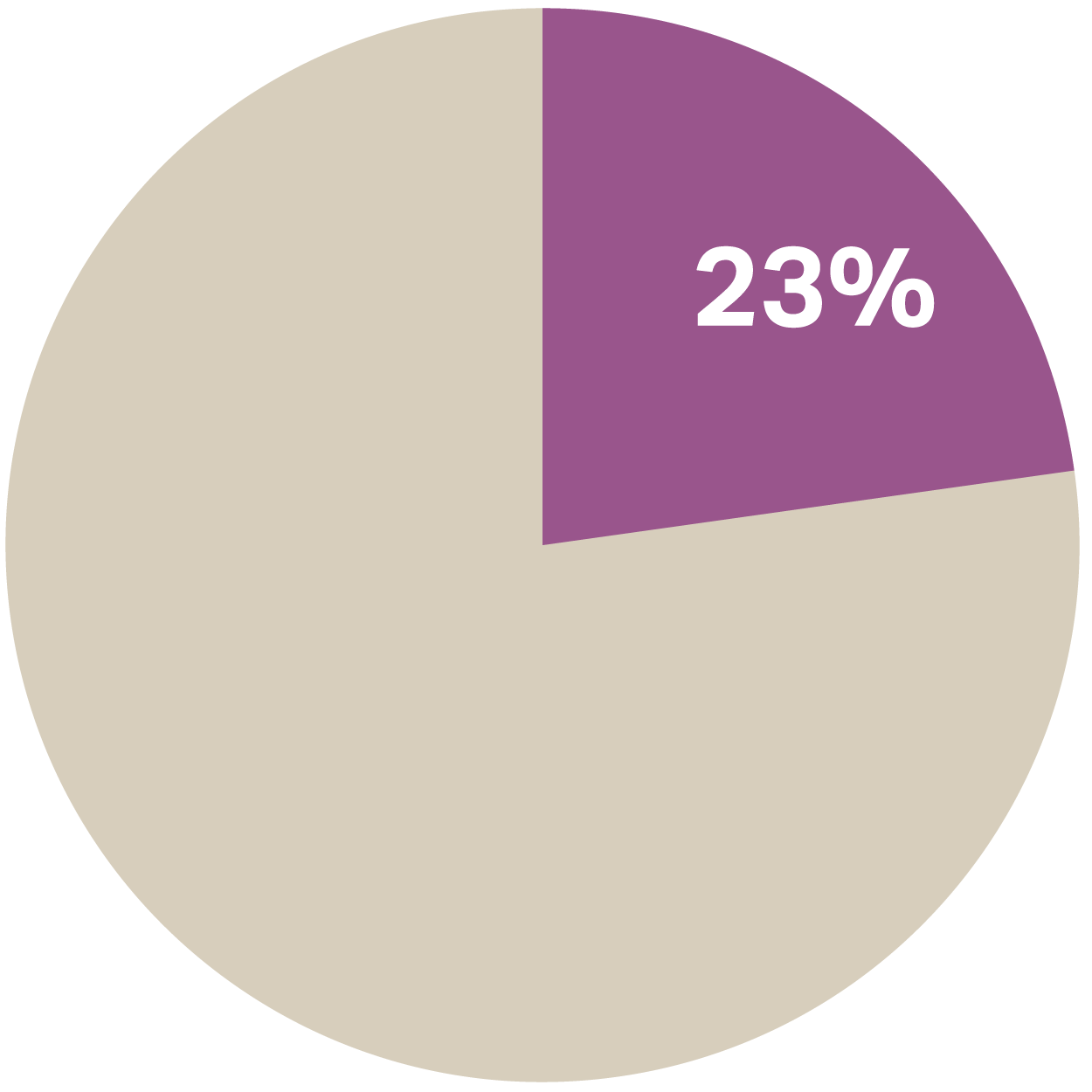
A pie chart showing a purple segment labeled 23 percent, with the remainder of the chart in light beige.
Gen Z workers report less job quality than average, leading to higher turnover: 23% switched employers in the past year.
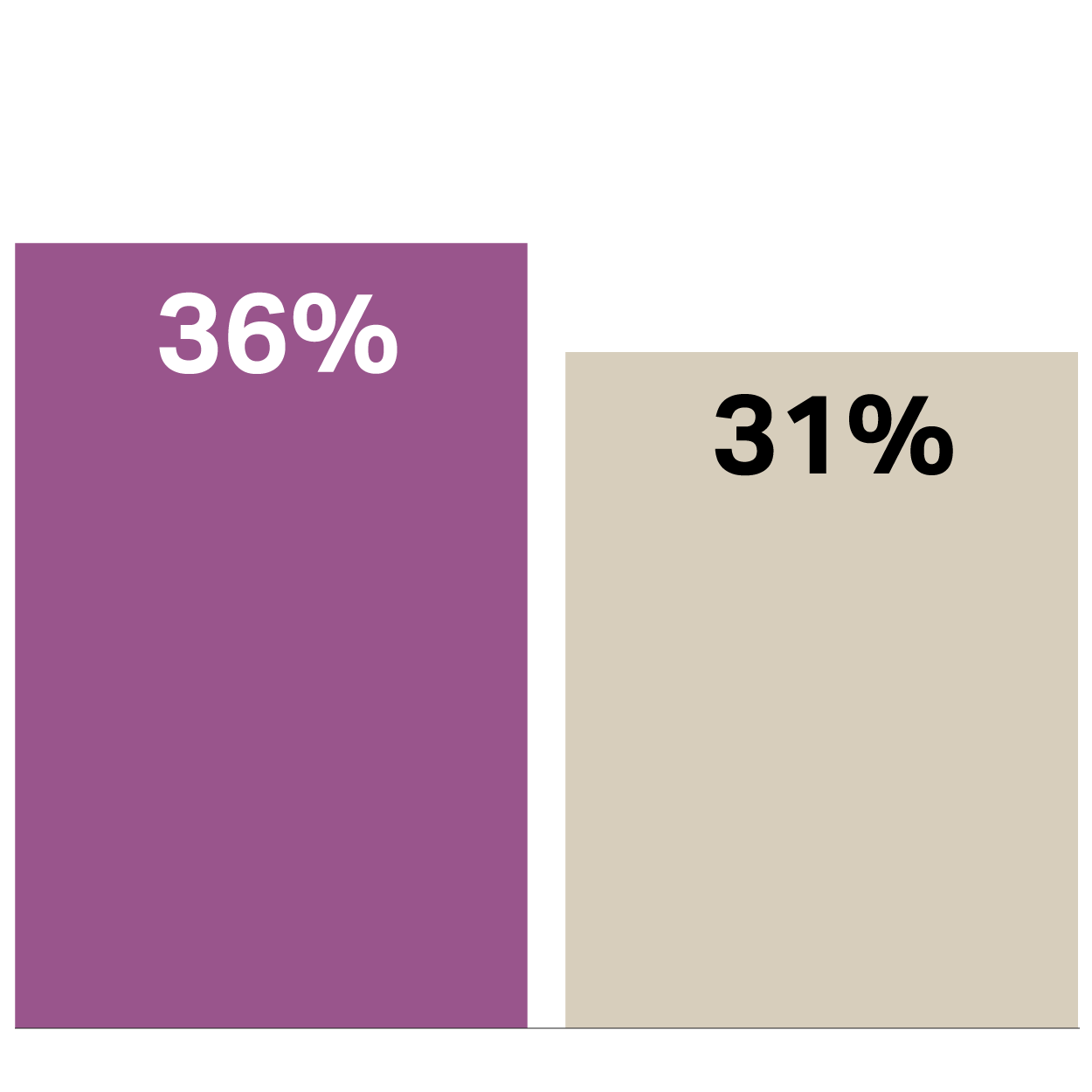
Bar chart with two bars: the left, purple bar is labeled 36% and the right, tan bar is labeled 31%.
People with records are less likely to have quality jobs than average: 36% for people with records of arrest or incarceration, and 31% for people with records of incarceration.

About the Study

Recent research conducted by JFF and Morning Consult showed that 81% of voters say that job quality is a top priority in the 2026 midterm elections. But traditional labor statistics don’t capture the aspects of work that drive employee well-being, talent strategy development, and business success.

To fill that gap, JFF launched the American Job Quality Study in 2025 in partnership with Gallup, the Families & Workers Fund, and the W.E. Upjohn Institute for Employment Research.

Based on a survey of more than 18,000 workers, ages 18–75, the study was the first nationally representative survey to bring together measures of workers’ experiences to assess job quality across the U.S. workforce.

The second report, based on new data collected in early 2026, explores the experiences of workers across industries, occupations, regions, demographics, and job types, with a focus on artificial intelligence usage and outcomes at work, the experiences of Gen Z workers and workers with records, and the relationship between job quality and business success.

Employees in quality jobs report substantially greater satisfaction, and research shows this improves retention, productivity, and business outcomes.

Spotlight on: Artificial Intelligence and Quality Jobs

Fifty-two percent of employees who use AI at least weekly are in quality jobs, compared with 32% of those who never use it.

Five Dimensions of Job Quality

The 2025 study defined job quality based on five dimensions that research shows matter most to workers and businesses:


A green circular icon featuring an open hand holding a small plant with a dollar sign on its leaves.
Financial well-being: Fair pay, stable employment, and benefits that meet basic needs and reduce financial stress.
An icon of three human silhouettes inside a shield.
Workplace culture and safety: A safe, respectful environment free from discrimination or harassment.
Icon of a person standing next to three upward-pointing arrows of increasing height.
Growth and development opportunities: A clear path to build skills, gain experience, and advance in one’s career.
Icon of two people with overlapping speech bubbles containing arrows pointing in opposite directions.
Agency and voice: Influence over decisions that shape one’s job, such as pay, working conditions, and implementation of technology.
Icon of a calendar and a clock.
Work structure and autonomy: A stable, predictable schedule, a manageable workload, and meaningful control over when and how work gets done.

These dimensions were developed in collaboration with researchers, advocates, employers, and policymakers.

Together, they provide a comprehensive picture of what makes jobs “work”—for people, for businesses, and the economy.

Take action on job quality with JFF

Subscribe to our newsletter to learn more about joining our networks and creating quality jobs.

Interested in partnering with us on future research?

Help us expand the nation's understanding of why quality jobs are a business and economic imperative. Contact us to learn more about research sponsorship opportunities.